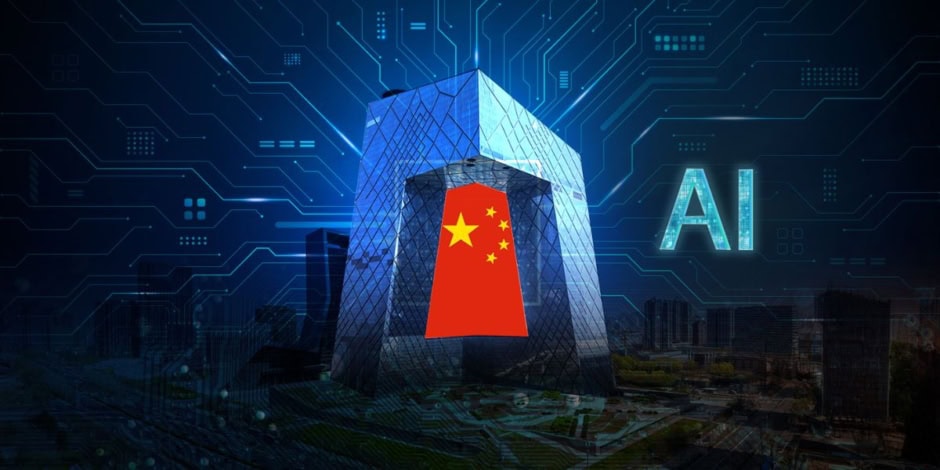
In a landmark push for digital transparency, major Chinese social media platforms have begun mandating labels for all AI-generated content, following a new regulation from the country’s internet regulator.
Effective this week, platforms such as WeChat, Douyin, Weibo, and RedNote (Xiaohongshu) are now visibly labeling AI-created text, images, audio, and video with both clear, explicit markings and embedded metadata tags. The sweeping new law is a direct result of China’s efforts to combat misinformation, online fraud, and copyright infringement in the age of generative AI.
Platforms Deploy New Tools for Compliance
he Cyberspace Administration of China (CAC), working with other state agencies, drafted the new regulations, and social media platforms have swiftly implemented them. On WeChat (Tencent), users must now proactively declare AI-generated content. The platform has also installed enhanced recognition features and prohibits the tampering or removal of its own automatic AI labels.
Chinese social media giants are enforcing strict AI content labeling: Douyin requires creators to tag AI-generated posts, scans metadata to catch undeclared content, and automatically adds warnings such as “this content may have been generated by AI.”
Weibo has introduced a user-driven enforcement system that lets people report unlabeled AI posts; RedNote (Xiaohongshu) applies explicit or implicit identifiers to flagged content if users fail to declare it; and Bilibili has streamlined the process by allowing creators to easily disclose AI-generated material during uploads.
Why China’s Labeling Initiative Matters
China’s sweeping new rules requiring all AI-generated content on social media to carry mandatory labels are being hailed as a global first in regulatory strictness, with experts noting that this legally backed system could set a precedent for international AI governance. Unlike voluntary measures in Western countries, China’s framework enforces transparency through codified law, imposing heavy fines and even service suspensions for violators.
Regulators say the aim is to curb misinformation, helping users identify deepfakes and synthetic media, while ensuring accountability from both domestic and foreign platforms. The move also accelerates global policy momentum, as the EU prepares to mandate AI labeling in 2026 and U.S. companies experiment with their own AI tagging practices.
With its extraterritorial reach covering any AI service offered to Chinese users, China’s new system represents one of the most ambitious and far-reaching efforts to control how AI-generated content flows across digital ecosystems.
Impact on Content Creators and the Digital Ecosystem
- Accountability: Content creators must now be more transparent about their use of AI, a shift that could alter creative workflows and strategies.
- Shifting Landscape: The regulations could influence the types of AI-generated content produced, steering it towards what the government considers “positive, healthy, and uplifting”.
- Industry-wide Effects: AI content production now affects everyone from individual influencers to large tech firms, as companies creating or distributing AI content must implement labeling systems and update user agreements.
- Potential for Over-Labeling: Some analysts warn that technical challenges could undermine the system’s credibility, as false positives may mistakenly flag human-generated content as AI.
China has entered a pivotal new era of AI governance, mandating digital authenticity by law instead of merely suggesting it. This decisive move transforms social platforms from passive content hosts into active guarantors of AI transparency for every user post.