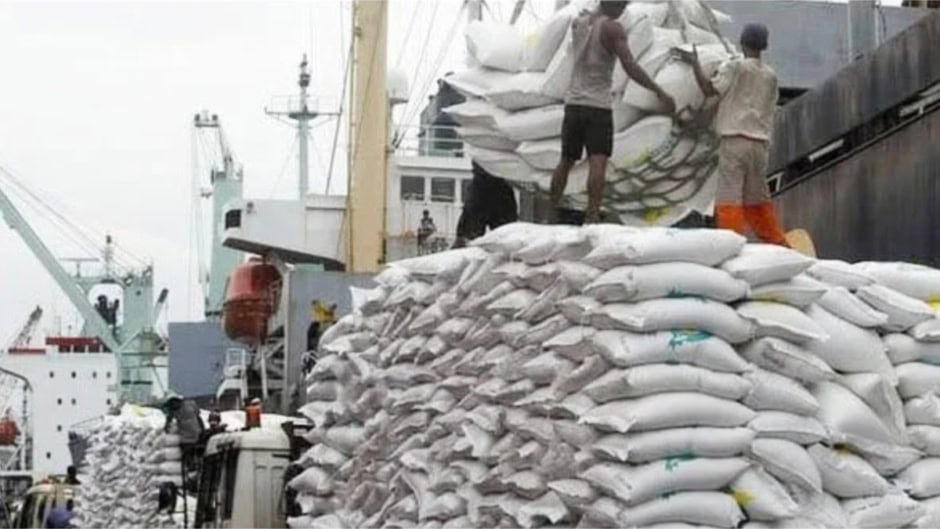
Pakistan’s rice export revenue experienced a sharp decline in FY25, falling by 14.7% to $3.36 billion despite only a modest drop in export volume. The dip was largely driven by falling global rice prices, according to data released by Optimus Capital Management.
The data showed that Pakistan exported 5.8 million metric tons (MMT) of rice in FY25, down slightly by 3.7% compared to 6MMT in FY24. However, the more significant impact was on the rice export revenue, which dropped from $3.93 billion in FY24 to $3.36 billion in FY25. The decline was attributed to a steep fall in international prices, especially for non-basmati rice, which makes up over 85% of Pakistan’s rice exports.
While basmati rice export volume rose by 3% to 797,000 tons, earnings from this premium variety still fell by 5.2%, totaling $832 million, compared to $877 million last year. The average export price across all varieties dropped by 9.1% year-on-year to Rs291.6 per kilogram, down from Rs320.8 in FY24.
Non-Basmati Rice Exports Drop Sharply in Value and Volume
Non-basmati rice exports faced a volume decline of 4.7% and a steeper 17.4% fall in value, generating $2.52 billion in FY25 compared to $3.05 billion the previous year. The slump reflected weak demand and fierce price competition in international markets.
June 2025 was particularly harsh, with rice exports falling by 40.6% from the previous month and 37.1% from June 2024. Export revenue for the month came in at just $150 million, a drop of over 50% year-on-year and 37.4% month-on-month.
As a result of these developments, rice exports’ share in Pakistan’s total export earnings declined to 10.5% in FY25 from 12.8% a year earlier. Despite the downturn in rice export revenue, the sector remains crucial for Pakistan’s foreign exchange earnings and trade balance.