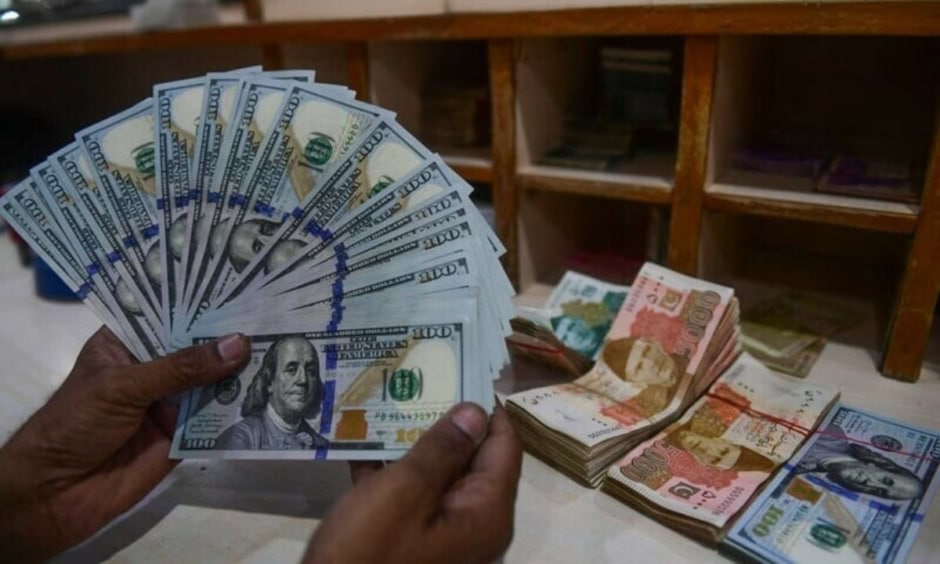
Foreign investment in Pakistan Investment Bonds (PIBs) exceeded $500 million in the first four months of fiscal year 2026-27, driven by yields that are the highest in the region.
State Bank of Pakistan (SBP) data show investors bought PIBs worth $509.2 million during July-October FY27, the highest figure for the period. About $251 million of that arrived in October alone. Inflows into treasury bills (T-bills) totalled $238 million over the same period.
The United Arab Emirates accounted for $395.7 million of the PIB investment. Bahrain was the second-largest investor with $80 million in PIBs and another $72 million in T-bills. The United Kingdom was the largest investor in T-bills, with $80 million. Equity market inflows were the lowest category at $124.4 million. Total inflows into domestic bonds and the equity market reached $872 million.
The SBP raised its policy rate by 50 basis points to 12 per cent on October 26. The benchmark six-month T-bill now offers a return of 12.54 per cent. Some analysts say many Pakistanis are also buying domestic bonds through overseas accounts, citing the high returns and low risk. The exchange rate has remained stable for more than a year.
The financial sector says the returns attract both foreign and domestic investors. Higher yields on PIBs and T-bills have drawn more domestic investment, leaving less room for private sector borrowing from banks. The government is pressing banks to lend to small and medium enterprises and the housing sector, but lending has been too slow to bring major change.
The government and the SBP continue to seek additional sources of dollars, despite expected remittances of $45 billion in FY27. Pakistan remains under an International Monetary Fund programme, which has stabilised the economy and lowered risks. The IMF and the World Bank have acknowledged this stability while noting that the country faces severe poverty.