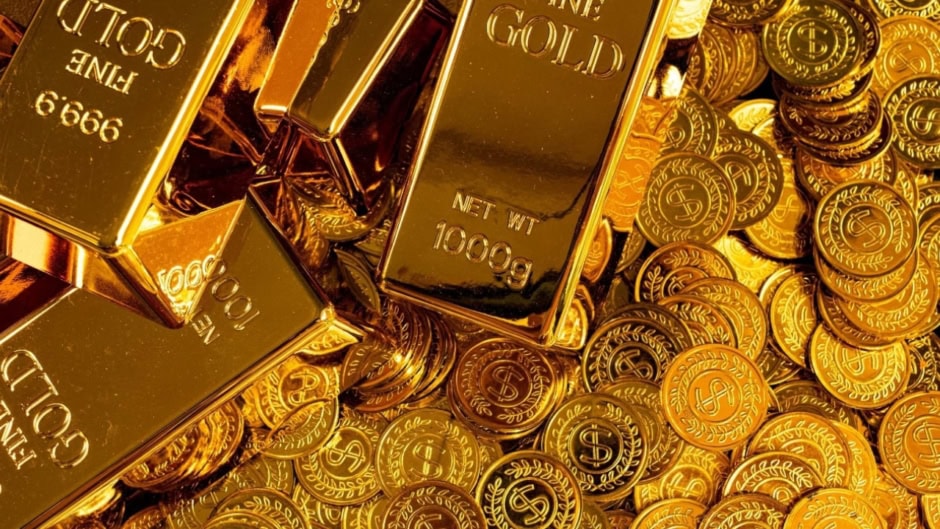
Precious metals, gold and silver, are facing heavy selling pressure across global markets. After peaking near $5,600 per ounce in January 2026, gold has slid to around $3,500-$3,580 per ounce in mid-to-late November. Consequently, the yellow metal has hit its lowest levels in over a year. Similarly, silver has suffered a steep downturn after surging to record highs around $120 per ounce early in the year. Today, silver trades at roughly $45-$50 per ounce, marking its lowest level in over a year as well.
Here is a breakdown of the Gold and Silver rates in Pakistan today:
| Metal (24K) | Per Tola | 10 Grams | 1 Gram |
|---|---|---|---|
| Gold | Rs. 367,500 | Rs. 315,077.20 | Rs. 31,507.72 |
| Silver | Rs. 4,209.33 | Rs. 3,608.90 | Rs. 360.89 |
Here is a breakdown of the international rates for today:
| Spot Gold | Spot Silver |
| $3,543.51 per troy ounce | $40.604 per troy ounce |
Viewers can also check previous metal rates here: Gold & Silver Price Update for Today, 24-Nov-2026
For live currency/crypto updates, visit our Crypto Page.
Why Gold & Silver Prices Are Falling
Several macroeconomic forces are pushing gold prices downward right now. First, sticky inflation has forced markets to price in further U.S. Federal Reserve interest rate increases, including expectations around the December meeting. As a result, higher rates and rising Treasury yields increase the opportunity cost of holding gold, which pays no interest or dividends.
Furthermore, a stronger U.S. dollar is weighing heavily on bullion. Rising rate expectations and higher bond yields have lifted the greenback. Because global markets price gold in U.S. dollars, a stronger currency makes bullion costlier for buyers using other currencies. Therefore, international demand has softened.
Meanwhile, stock market losses are triggering forced selling. Steep sell-offs in equities, particularly tech and AI stocks, have pushed investors and funds to sell liquid assets like gold. In short, traders are cashing out bullion to cover equity losses, meet margin calls, or raise cash.
In addition, profit-taking and weaker retail buying have added to the decline. Following steep gains in 2025 and early 2026, traders have actively locked in their profits. At the same time, elevated prices and persistent inflation pressures have curbed discretionary jewelry purchases.
Just like gold, silver faces intense pressure from U.S. monetary policy and currency strength. Inflation concerns and hawkish Federal Reserve signals have fueled expectations of additional rate hikes. Consequently, higher yields make interest-bearing assets far more attractive than silver. Moreover, a stronger U.S. dollar makes dollar-priced silver more expensive for overseas buyers.
However, silver also suffers from weaker industrial and solar demand. Slower factory and manufacturing activity, especially in major consuming nations like China, has reduced industrial usage. On top of that, high prices earlier in the year pushed manufacturers toward thrifting and material substitution, particularly in solar applications.
Additionally, market positioning has accelerated the downturn. Heavy profit-booking after the sharp early-2026 rally, alongside position liquidations and investor outflows, has dragged prices lower. Finally, silver carries higher volatility than gold. Because silver operates in a smaller market with heavy industrial exposure, its price swings much more sharply during broad commodity pullbacks.