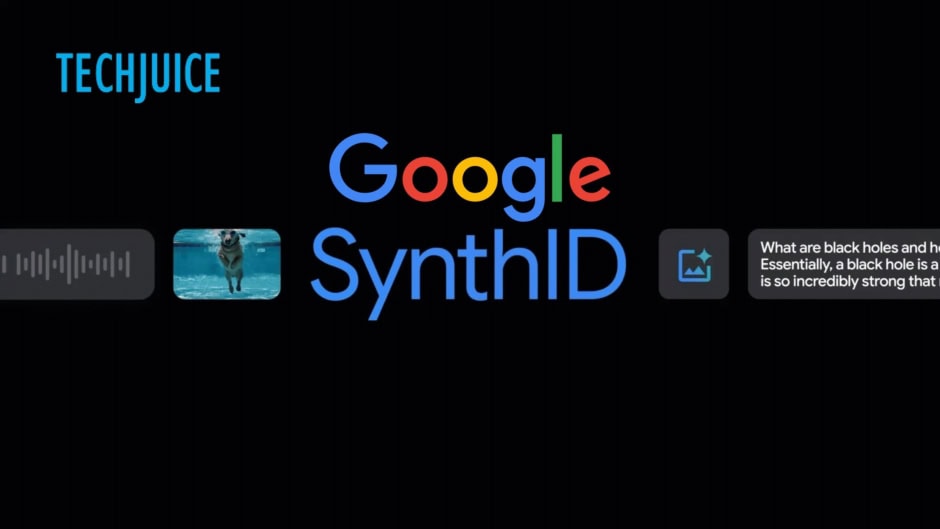
Google unveiled the SynthID Detector at Google I/O 2025, a groundbreaking tool designed to identify AI-generated content. This verification system, which was created by Google DeepMind, is intended to identify the material produced by Google’s AI models, including Gemini, Imagen, Lyria, and Veo.
How SynthID Detector Works
SynthID Detector scans multiple types of media—images, audio, video, and text—for invisible watermarks. These watermarks are embedded during the content creation process using SynthID. They’re designed to remain intact, even after editing or transformations, ensuring the source can still be verified without degrading quality.
When users upload content to the portal, the tool analyzes it for these hidden markers. If any are found, SynthID highlights the specific areas that are likely AI-generated. This gives users a clear, segment-by-segment breakdown of the content’s authenticity.
Expanding Transparency in AI Media
SynthID has undergone a rapid transformation since its inception as a watermarking solution for AI-generated images. It now accommodates a wider range of content formats, such as text, audio, and video. Such AI detector watermarks have been integrated into over 10 billion pieces of content to date.
Access and Future Roadmap
Currently, SynthID Detector is only available to early testers. Google plans a wider release via a waitlist, allowing the company to gather feedback and fine-tune the tool before full deployment.
This launch is part of Google’s broader mission to promote responsible AI use. By giving people the ability to verify digital content at its source, tools like AI Detector aim to build trust, ensure accountability, and counter misinformation in the age of synthetic media.