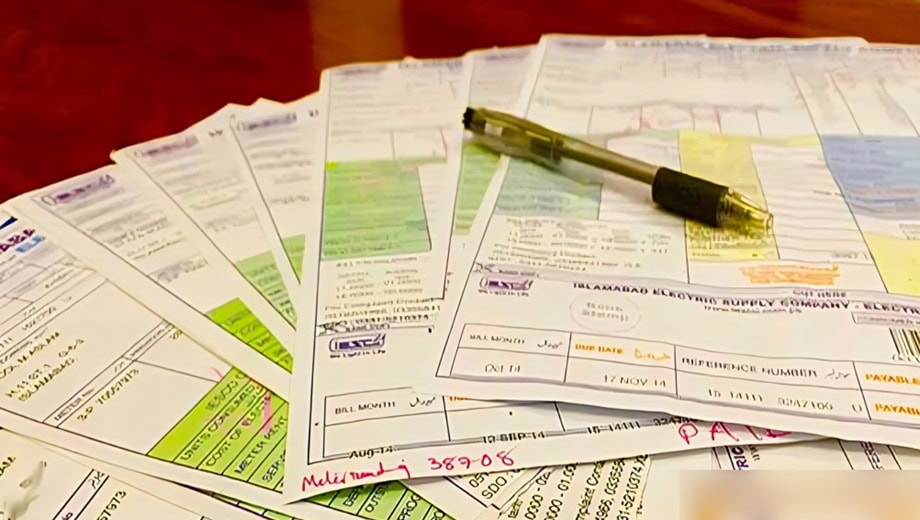
Electricity and gas bills in Pakistan may soon be calculated based on how much people earn, rather than how much energy they use. The federal government is preparing a major change to the current tariff system as part of reforms linked to its agreement with the IMF. If approved, the move would change how subsidies are given and who qualifies for them.

Under the proposed plan, energy subsidies will be tied to household income instead of consumption range. This means lower-income families would continue to receive support, while those with higher incomes may have to pay closer to the actual cost of electricity and gas.
At present, electricity and gas tariffs are based on how many units a household consumes. This system has often been criticized for being unfair, as some high-income households benefit from subsidies simply by keeping their usage below certain limits. The new model aims to change that by focusing on who actually needs financial support.
According to government sources, household income data could be assessed through existing databases and social protection systems. This would help ensure that subsidies reach deserving consumers, while reducing the burden on the national exchequer.
Discussions with the IMF are ongoing, particularly around electricity pricing. The IMF has stressed that any tariff changes should protect low- and middle-income groups and avoid adding pressure on vulnerable households.
The proposed shift is also linked to efforts to reduce cross-subsidies and address circular debt in the power sector, a problem that has drained public finances for years and contributed to repeated tariff hikes.