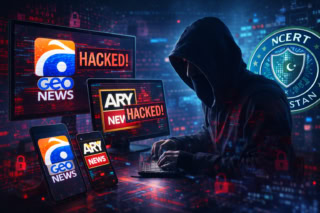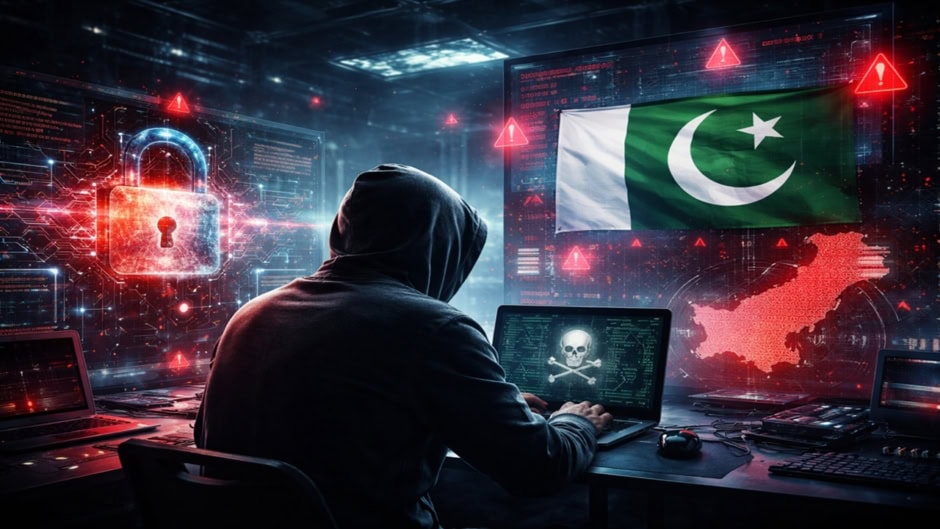
Pakistan’s National Cyber Emergency Response Team (NCERT) has issued a high-priority alert warning that key institutions, including military networks and banks could face serious cyber threats amid rising tensions in the region. Authorities say the current environment may be exploited by hostile actors seeking to disrupt systems, steal sensitive data, or spread panic through misinformation.
Officials cautioned that the risk level has increased due to the broader geopolitical situation, which often triggers cyber activity alongside political or military developments.
What the Alert Says
According to NCERT, attackers may attempt data breaches targeting government and defense networks. The banking sector has also been flagged as vulnerable to ransomware attacks, which can lock systems and demand payment for restoration.
Another major concern highlighted in the advisory is the use of deepfakes and fabricated content. Authorities warned that manipulated videos, fake statements from senior officials, and coordinated disinformation campaigns could be used to confuse the public and weaken trust in institutions.
Sectors at Risk
The alert identifies defense establishments, financial institutions, government ministries, media organizations, and essential services such as electricity, water, and telecom providers as high-risk targets. Journalists and even ordinary citizens have also been cautioned to remain alert against phishing attempts and malicious links.
Possible Attack Methods
NCERT listed several common tactics currently being observed or anticipated:
- Distributed Denial-of-Service (DDoS) attacks aimed at shutting down official websites
- Spear-phishing emails targeting military and government staff
- Malicious mobile applications carrying spyware
- Credential stuffing attacks using leaked passwords
- Fake social media accounts spreading misleading narratives
The advisory categorizes potential attackers into three main groups:
- Ideologically motivated hacktivists
- State-backed advanced threat actors
- Financially motivated cybercriminal gangs.
Official Guidelines to Prevent Attacks
Organizations have been urged to immediately strengthen their defenses. Recommended measures include
- Enabling multi-factor authentication
- Discontinuing SMS-based verification systems
- Patching VPNs and firewalls
- Using encrypted communication for sensitive data.
NCERT also called for regular offline backups, cybersecurity drills, stricter monitoring of foreign login attempts, and adopting a Zero Trust security framework a system where no user or device is trusted automatically.
A Pattern During Tensions
When tensions grow between countries, the battle is not always on the ground, it often moves online, a cyberwar. Essential services such as electricity, banks, and communication networks can become easy targets. Pakistan has seen similar online disruptions and fake information campaigns in the past during difficult periods.