
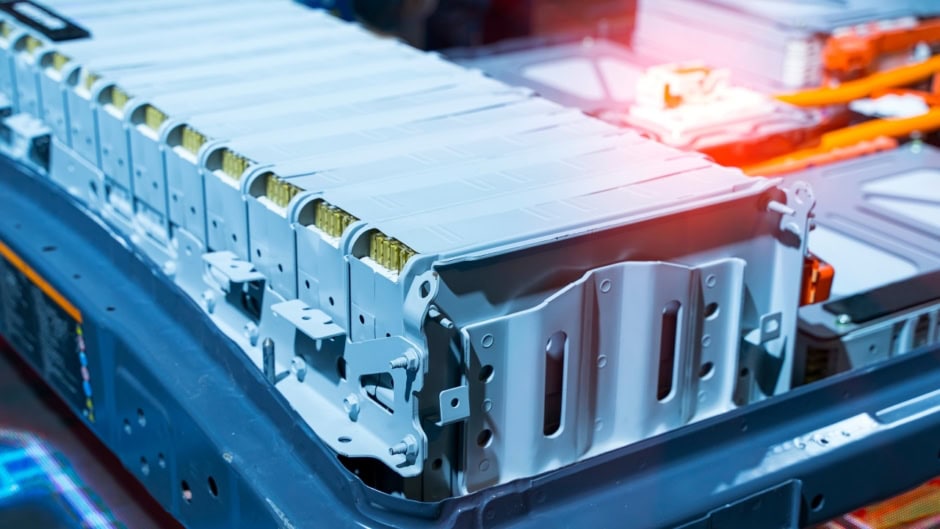
The people of Pakistan are already drowning in inflation. Now, the government has dropped another bomb. The Directorate General of Customs Valuation in Karachi has officially revised the customs values for lithium-ion batteries. Additionally, for the very first time, authorities have issued customs values for lithium-ion batteries and cells imported from all origins.

Citizens were already frustrated by unfavorable net metering and net billing policies. Consequently, many Pakistanis started moving toward lithium-ion batteries to store cheap solar electricity and find some relief. Now, the government has effectively made these batteries unaffordable. This marks a second price increase in the last few months.
The New Customs Valuations
The new Valuation Ruling No. 2062 of 2026 targets specific categories. It applies directly to the import of Lithium-ion batteries rated IP 65, IP 21, and IP 20.
Furthermore, the ruling introduces a massive penalty for smart batteries. If a lithium-ion battery features 4G or 5G connectivity, Customs will apply an 80 percent value addition to its serial. Fortunately, these new values do not apply to batteries meant for mobile phones, laptops, tablets, and similar consumer electronics.
Simultaneously, the government issued Ruling No. 2061 of 2026. This directive imposes new customs values on the import of Lithium-Ion Cells, specifically LFP, LiFePO, and Prismatic types under PCT Heading 8507.6000.
Why Did the Valuations of Lithium-Ion Batteries Increase?
The government claims this move fixes a broken system. The previous valuation ruling was over a year old. Meanwhile, international prices for lithium-ion battery packs surged. Importers pushed for a re-evaluation.
For the lithium-ion cells, industry stakeholders reported massive under-invoicing. Importers were declaring artificially low transaction values to bypass taxes. This caused revenue losses and created an unfair market advantage. Therefore, authorities initiated an exercise under Sections 25 and 25A of the Customs Act, 1969, to lock down actual market prices and halt the systemic undervaluation.
A Stark Contrast in Priorities
The government’s long-term energy plans remain completely unclear. Citizens receive zero relief.
Globally, countries take the opposite approach. In Australia, the government actively helps its citizens transition to solar by providing tax rebates and loans for lithium-ion batteries. In Pakistan, citizens tried to help themselves without state support. Now, the government has decided to hit that exact transition with higher taxes, ensuring common people cannot afford to store their own power.