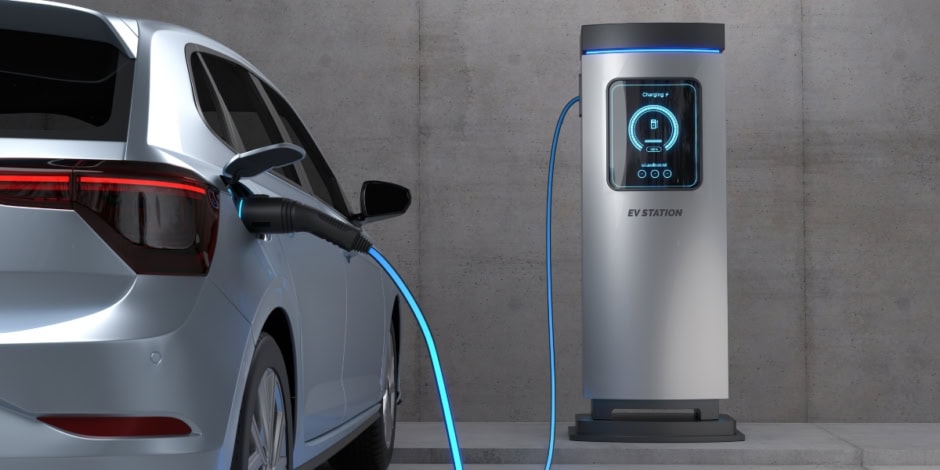
The federal government has unveiled a broad package of incentives for electric vehicles (EVs) in Budget 2026-27, including 0 percent customs duty on imported electric cars, SUVs, and pickup vehicles valued up to Rs. 20 million.
According to the Finance Bill, imported EVs brought into Pakistan in completely built-up (CBU) condition for personal use will be taxed according to their value. Vehicles with an import value of up to Rs. 20 million will enjoy a zero-duty regime, while EVs valued above Rs. 20 million and up to Rs. 30 million will face a 30 percent duty. Vehicles exceeding Rs. 30 million in value will be subject to a 40 percent duty.
The new structure is aimed at making affordable electric vehicles more accessible while imposing higher taxes on luxury EVs.
The government has also extended key incentives for local EV assembly until June 30, 2027. EV-specific completely knocked down (CKD) components used in the assembly and manufacturing of electric cars, light commercial trucks, and vans will continue to attract only 1 percent customs duty.
For locally assembled electric four-wheelers, non-localized CKD components will be subject to a 10 percent duty, while localized components will face a 25 percent duty. These concessions will remain subject to certification and quota approvals by the Engineering Development Board.
The budget also maintains a concessionary 25 percent customs duty on imported electric four-wheelers, excluding vehicles valued above $50,000, until June 2027. Manufacturers will also be allowed to import limited quantities of CBU units under the existing EV policy framework.
Support measures have also been extended to electric motorcycles. EV-specific motorcycle components, including motors, controllers, battery chargers, converters, and advanced batteries, will continue to benefit from a 1 percent customs duty when imported for local assembly.
In addition, the government has announced subsidized financing under the Pakistan Accelerated Vehicle Electrification (PAVE) Programme, designed to make electric motorcycles and electric rickshaws more affordable for consumers.
The Finance Bill further extends sales tax exemptions on EV CKD kits until June 30, 2027, while electric transport buses with 25 seats or more and electric trucks in CBU condition will continue to benefit from a reduced 1 percent sales tax.
To encourage domestic EV manufacturing, the government has proposed 0 percent customs duty on plant and machinery specifically imported for EV manufacturing facilities. The concession will be available on a one-time basis for new projects and expansion plans, subject to approval from the Engineering Development Board.
Similarly, inputs used by vendors and original equipment manufacturers (OEMs) for producing EV-specific parts will also qualify for zero customs duty, further supporting the development of Pakistan’s local electric vehicle ecosystem.
While the budget provides substantial incentives for affordable EV adoption and local manufacturing, luxury electric vehicles will face higher taxation through the proposed federal excise duty measures announced separately in the budget.