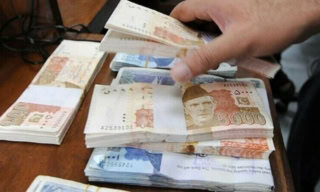
The federal government has projected more than Rs. 5.336 trillion in non-tax revenue for fiscal year 2026-27, with petroleum levies, central bank profits, royalties, and administrative receipts expected to remain key contributors to the national exchequer.
According to federal budget documents, non-tax revenues are estimated at Rs. 5.336 trillion, compared to approximately Rs. 5.094 trillion expected in the current fiscal year, reflecting the government’s efforts to strengthen revenue generation beyond traditional taxation.
A major share of these receipts is expected to come from the petroleum levy, for which the government has set a record collection target of Rs. 1.676 trillion. Additional energy-related levies include Rs. 3.45 billion from LPG levy, Rs. 50 billion through the Climate Support Levy, and Rs. 15.73 billion from the levy on off-grid captive power plants.
The budget documents show that profit transfers from the State Bank of Pakistan are projected at Rs. 1.436 trillion during FY2026-27. Although substantial, the figure is lower than the estimated Rs. 2.428 trillion transferred during the current fiscal year.
Other significant sources of non-tax revenue include Rs. 1.48 trillion from civil administration and government departments, Rs. 165.88 billion from attached departments, Rs. 130.38 billion in dividends, and Rs. 73.06 billion from passport, citizenship, and naturalization fees.
The energy sector is also expected to make a notable contribution through Rs. 45.5 billion in crude oil royalties, Rs. 95 billion in natural gas royalties, Rs. 70.81 billion from gas development surcharge, and Rs. 2.24 billion from gas infrastructure development cess.
In addition, the government expects Rs. 31.47 billion in defense-related receipts, Rs. 4.09 billion from law and order services, and Rs. 1.035 trillion as the provincial share under Article 164. The budget also includes Rs. 25.6 billion in extraordinary receipts from United Nations grants.
The projected non-tax revenue framework highlights the government’s strategy to diversify income sources and support fiscal stability while reducing reliance on conventional tax collections under the FY2026-27 budget.