The Government of Pakistan is set to inaugurate a Digital Proof of Life Mechanism for pensioners on Thursday, August 13, 2026, in a move aimed at making the pension verification process more convenient and reducing the need for physical verification.
According to an official letter issued by the Prime Minister’s Office on August 7, the inauguration ceremony will be held at the Auditorium of the Prime Minister’s House.
The Finance Division has been designated as the lead ministry for the event and will coordinate with the Ministry of Interior, the Controller General of Accounts (CGA), and the National Database and Registration Authority (NADRA) to ensure the arrangements are completed smoothly.
The Prime Minister’s Office has also directed relevant authorities to provide an updated list of participants, an updated briefing, the Prime Minister’s draft speech and a detailed minute-by-minute programme for the ceremony.
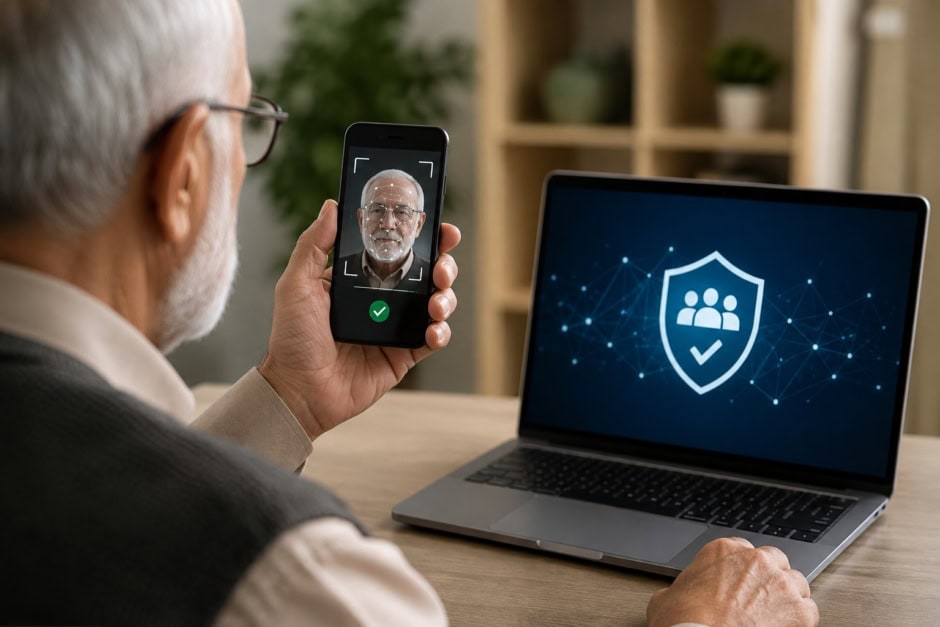
The digital proof-of-life mechanism is expected to modernize the process through which pensioners confirm that they are alive and eligible to continue receiving pension payments.
Traditionally, pensioners have had to undergo periodic proof-of-life requirements, which can be particularly difficult for elderly, ill or physically vulnerable individuals who may need to visit banks or relevant government offices.
A digital mechanism can potentially allow authorities to verify pensioners through digital identity and database-based verification, reducing paperwork, physical visits and the risk of delays in pension payments.
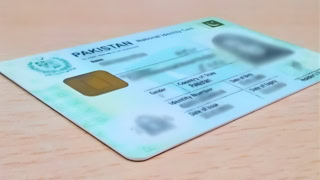
The involvement of NADRA and the CGA is significant because NADRA maintains Pakistan’s national identity database, while the CGA is responsible for important government accounting and pension-related functions.
The initiative is therefore expected to improve coordination between identity verification and pension administration while helping strengthen safeguards against fraudulent or duplicate pension claims.
The upcoming inauguration marks another step toward the government’s broader efforts to digitize public-sector services and make government payments more efficient and accessible for citizens.