The federal government on Saturday unveiled a new automotive policy that targets a thirty-fold increase in the exports of the sector, from $200 million to $6 billion, and aims to bring vehicle prices down gradually, with a special focus on affordable cars and electric vehicles (EVs).
Information Minister Attaullah Tarar and Adviser to the Prime Minister on Industries and Production Haroon Akhtar Khan announced the policy at a press conference. Akhtar said it was approved after prolonged consultations and that Prime Minister Shehbaz Sharif had devoted considerable time to its preparation.
Haroon Akhtar said the policy rests on six pillars: affordable vehicles, especially for the middle and lower-middle classes; exports; localisation; vehicle safety; EV promotion; and transparency.
He said the prime minister had also introduced a tariff policy to lower production costs and the import bill for raw materials. “The prices of all vehicles, except luxury vehicles, will come down,” he said.
Prices will fall gradually as duties on completely built units (CBUs) and assembly plants are reduced each year, leading to competitive tariffs after five years, he explained. Lower prices will mainly benefit middle- and upper-income buyers.
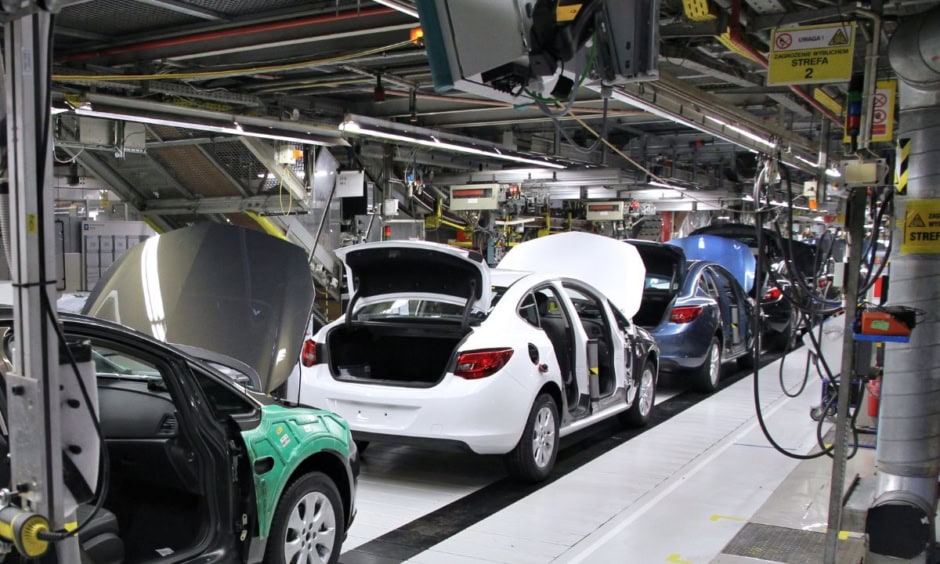
Describing large industries as a government priority, Akhtar said the auto sector is a major contributor to large-scale manufacturing. Policies for the sector have been framed for the past decade without any rise in exports, he said, adding that the new policy is built around exports, and manufacturers that miss their targets will be fined.
Under the policy, carmakers will not be allowed to take an advance of more than 20 percent of a vehicle’s price from customers. A total of 45 new standards have also been added to bring locally assembled vehicles up to international quality levels.
On EVs, Akhtar said their importance has grown following recent regional tensions. The financing limit for EVs has been raised from Rs2 million to Rs10 million, and import duties on charging stations have been reduced.
In a post on X, Tarar said the policy was developed after consultations with all stakeholders, analysis of technical data and a review of global models. He said innovation, value addition and localisation would be promoted to create jobs and enable vehicle exports.
The minister said encouraging EVs will reduce carbon emissions and the oil import bill, and that incentives have been provided for setting up charging stations. He described the policy as a “significant step toward providing Pakistani citizens with affordable, high-quality, and environmentally friendly transportation.”