 4 min read
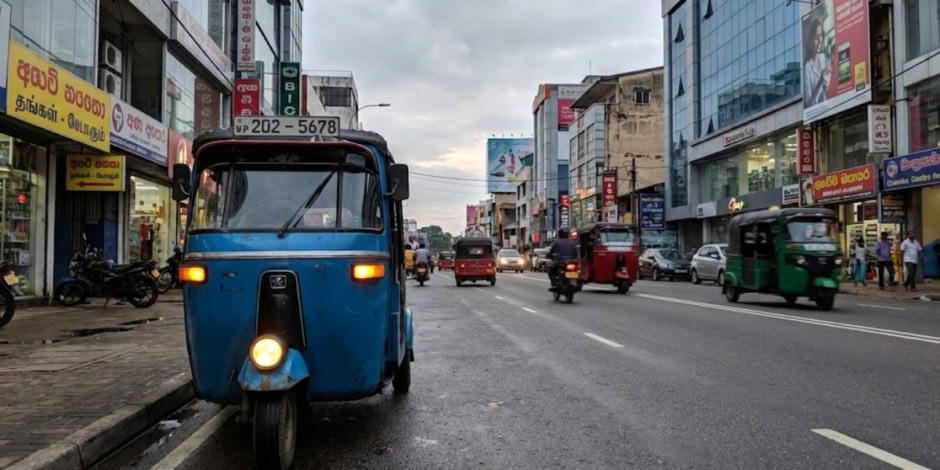
At the offset of COVID-19, Sri Lanka underwent one of the worst economic and social challenges. In the midst of the changes, a locally-grown startup took it upon itself to cater for no less than a 100,000 Sri Lankans. The startup is PickMe, a ride-hailing and delivery platform that has since provided a continuous source of income and mobility for tens of thousands of Sri Lankan citizens, making it a prime example for TechJuice to study and promote how a Pakistani startup should be.
PickMe: A Sri Lankan Success Story

Launched back in 2015 by local entrepreneur Zulfer Jiffry with backing from the International Finance Corporation (IFC), PickMe has ballooned into a full-blown “super-app” for mobility, food, parcels, and logistics.
The core reason PickMe has not only gained local but South Asian fame is that it thrived not just the economic woes post-pandemic, but political upheavals and uncertainty which comes along with fuel shortages. As of writing this article, PickMe is serving millions across urban hubs and remote districts in the island country. The ride hail company only recently signed a fresh partnership alongside LOLC Holdings and Browns EV to roll out affordable electric vehicles for drivers.
Selected for the CFA Institute’s Research Challenge this year, PickMe’s success tale rests on its leeway: flexible hours for drivers netting up to 5,000 rupees ($16) a day, emergency deliveries during crises, and tourism boosts for rebounding visitors wary of sketchy tuk-tuks. It’s the kind of local tech triumph that keeps the economy moving when everything else stalls.
What Makes PickMe Click?
PickMe realized early on that in order to be resilient, they needed smart, grassroots adaptation. The app hooks into Sri Lanka’s unique transport mix i.e., tuk-tuks, vans, and cars, while filling public transit gaps with features like live tracking, SOS buttons, cashless payments, and scheduled rides.
During the pandemic, PickMe Flash zipped essentials like groceries and gas cylinders to locked-down homes, even scoring special passes for health workers. Fast-forward to now, and it’s doubling down on driver loyalty with perks that feel genuinely thoughtful. The app now offers family insurance coverage, the Nena Pahana program handing out school supplies to top performers’ kids, and that new EV rental scheme where payments flow straight through the app.
Expansion into corporate logistics and tourism-friendly services has diversified revenue, making it a one-stop shop that’s hard to ignore. And with that, comes a natural animosity from the traditional tuk-tuk operators: recent flare-ups in places like Ella even prompted police warnings, but PickMe navigates it by emphasizing coexistence and safety, turning potential rivals into partners.
PickMe: Where it Stands Out
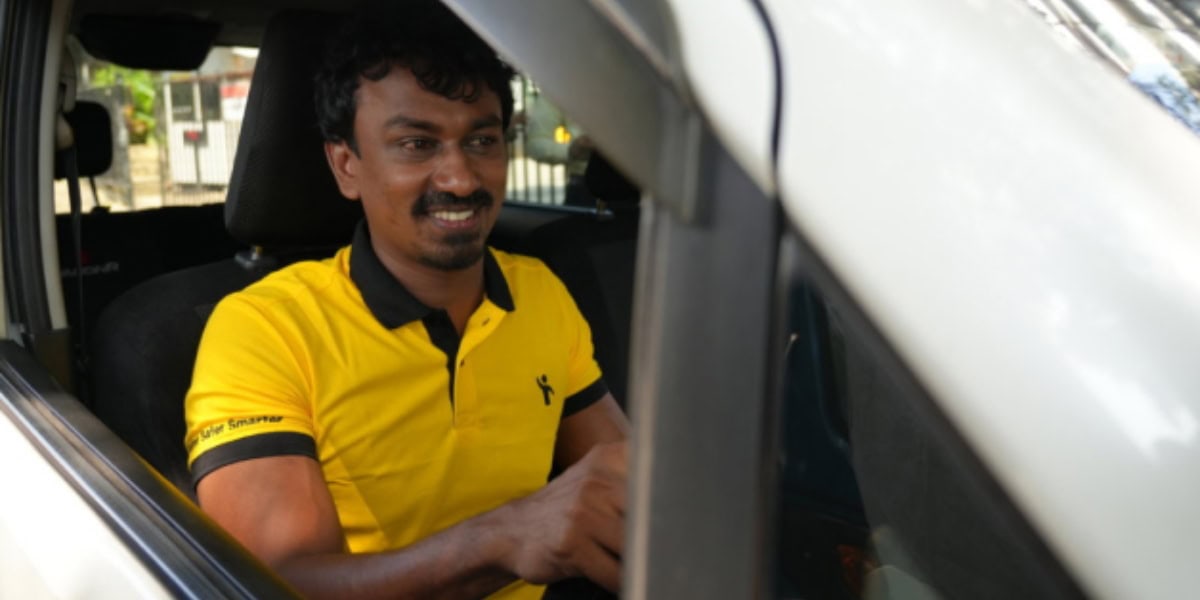
According to the strength analyses done by TechJuice, PickMe shines the brightest in its hyper-local focus and people-first ethos. Being homegrown means it gets the cultural nuances. The app also goes a mile ahead in rewarding “high-performing” drivers in order to build retention in a gig economy where burnout is real. PickMe has also gone on to integrate Nastaliq-like local payment habits keeps users hooked. Sustainability initiatives, like the 2026 EV push, align with global trends while solving local pain points like high fuel costs.
Financially, its 2024 IPO and IFC backing provided stable capital without over-relying on volatile foreign VCs. This agility lets PickMe iterate fast, while playing a social role that earns goodwill from users and regulators alike.
Flip the script to Pakistan, and the contrast is stark. Our local or operating startups in ride-hailing and delivery often sputter where PickMe soars. Take Careem: the UAE-based giant pulled the plug on its Pakistan ops in July 2025, blaming economic headwinds like inflation, unemployment, and cutthroat competition from locals like Bykea and globals like inDrive.
inDrive’s January 2026 grocery delivery launch revives “super-app” dreams, but fragmentation in logistics and commerce hobbles real integration. Pakistani ventures lack PickMe’s deep local rooting. Many chase global models without adapting to our driver-led market shifts, leading to protests over sky-high commissions and paltry earnings. There are huge skill gaps, brain drain, skimpy R&D funding, and creaky infrastructure, make scaling a nightmare for apps like these. Funding is no less than a joke: few quality local VCs mean startups beg abroad, only to face misunderstandings about Pakistan’s quirks, as seen in Careem’s exit.
Unlike PickMe’s welfare perks, Pakistani apps often skimp on driver support, fueling dissatisfaction in an economy gripped by stagnation and import dependency. No wonder innovation lags: where PickMe builds EVs and rewards programs, we’re still battling basics like reliable power and regulatory red tape.
Pakistan’s startups could learn a ton from PickMe, i.e., prioritize local needs, invest in driver ecosystems, diversify beyond rides, and chase sustainable funding.