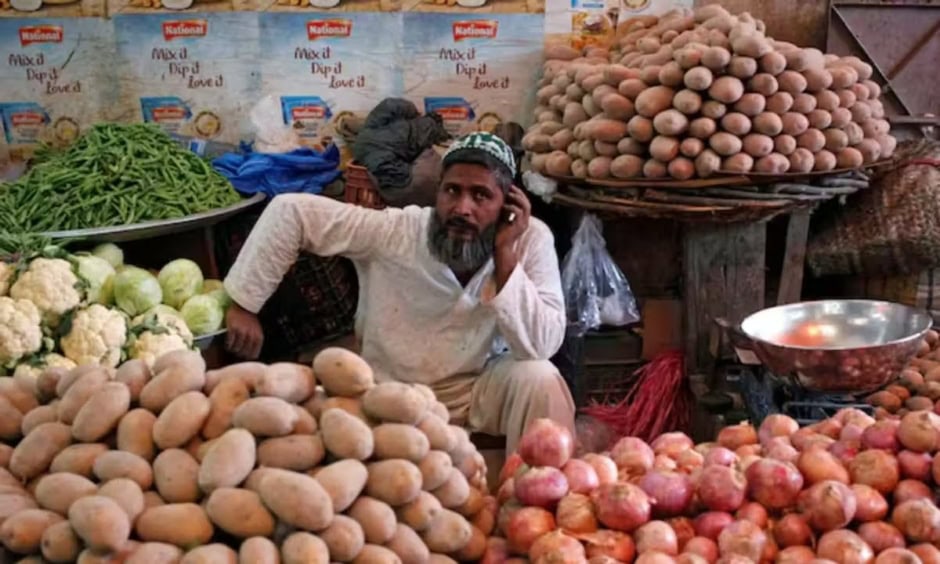
Annual inflation in Pakistan surged to 10.9 percent in April 2026, its first double-digit reading since July 2024, driven primarily by sharp rises in fuel and energy costs.
Official data released on Friday showed the April figure exceeded both the government’s own forecast of eight to nine percent and an analyst consensus estimate of 10.2 percent.
The survey of analysts at Pakistan’s leading brokerages had placed the average estimate at 10.2 percent, making April’s reading the highest inflation rate recorded in nearly two years.
Analysts attributed the spike mainly to rising retail fuel prices and higher energy costs, worsened by spillover effects from the ongoing conflict between the United States and Iran.
Fuel prices rise sharply, central bank responds
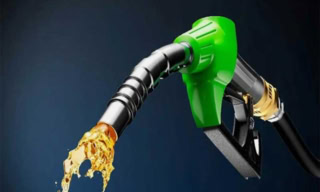
Pakistan raised petrol and diesel prices to 400 Pakistani rupees per litre on Thursday, continuing a steep upward trend in fuel costs that began two months ago.
Overall fuel prices have risen 42 percent over the past two months, pushing up transportation fares across the country and increasing agricultural input costs for Pakistani farmers significantly.
The State Bank of Pakistan raised its benchmark interest rate by 100 basis points this week, acting in anticipation of further price pressures building across the broader economy.
The rate now stands at 11.5 percent, as the central bank moved to contain inflation expectations before they became more deeply embedded across Pakistan’s wider economic and financial system.
Transport and housing lead category increases
Transport was the hardest-hit category in April, rising 29.9 percent year-on-year and 15.5 percent month-on-month, reflecting the direct impact of fuel price increases on fares and logistics.
Housing inflation came in at 16.8 percent year-on-year, driven by higher utility and energy-related costs, with this category carrying a 23.6 percent weight in the overall CPI basket.
Miscellaneous items rose 18.3 percent year-on-year and carry a 4.9 percent weight in the overall consumer price index basket, adding further upward pressure to the April inflation reading.
Food inflation, which holds the largest weight in the CPI basket at 34.6 percent, rose 7.6 percent year-on-year and 1.8 percent month-on-month, a more contained increase than other categories.
Education costs increased 8.3 percent annually and 3.0 percent on the month, while beverages, communication, and furnishing recorded relatively contained price increases ranging between 0.8 percent and 3.8 percent year-on-year.
Recreation was the only category to record deflation in April, falling 5.1 percent annually, providing a rare area of price relief within an otherwise broadly pressured consumer price basket.
Outlook remains uncertain amid external pressures
Pakistan’s economy has shown some resilience, supported by relatively stable foreign exchange reserves and continued financial backing from allied countries and multilateral international lending institutions.
However, with no visible progress in United States and Iran peace talks, energy supply disruptions remain a significant risk that could continue to exert pressure on global oil markets.
Higher fuel import costs from prolonged global energy disruption could push Pakistan’s inflation further upward in the months ahead, economists and analysts have warned following April’s official data.