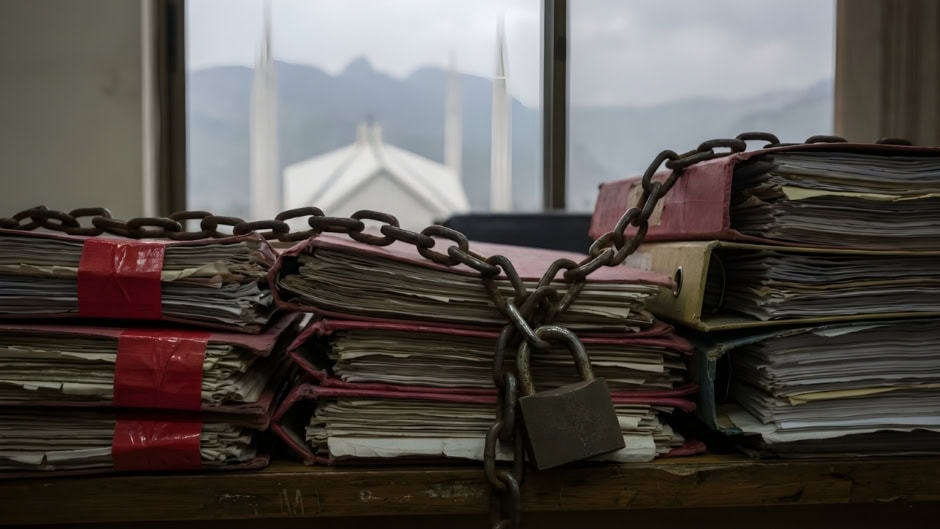
Pakistan is drowning in a sea of red ink. During a recent meeting in Islamabad, the Senate Standing Committee on Economic Affairs revealed staggering new figures. Senator Saifullah Abro chaired the session, where officials admitted the country’s total public debt has surged to Rs. 81.4 trillion.

This fiscal crisis impacts every single Pakistani. Consequently, the per capita debt burden now stands at approximately Rs. 325,000 per citizen.
The Anatomy of a Debt Trap
The Ministry of Finance briefed the committee on the components of this massive liability. Federal fiscal debt continues to rise because government expenditures consistently exceed revenues. Furthermore, heavy oil imports remain a primary driver of this imbalance.
The government regularly services its domestic debt. However, it often does so by acquiring even more loans. This cycle of borrowing for sustainability raised serious alarms during the meeting.
| Debt Category | Amount |
|---|---|
| Total Public Debt | Rs. 81.4 Trillion |
| External Debt | Rs. 21+ Trillion |
| Per Capita Debt | Rs. 325,000 |
Millions Wasted on “Question Mark” Projects
The Committee also scrutinised the National Health Support Program. This project serves as a grim example of administrative failure. Initially, the World Bank funded the program for ICT, AJK, and Gilgit-Baltistan. However, the World Bank later withdrew funding for AJK and GB because it does not finance projects in disputed territories.
The project began in late 2022 to strengthen rural healthcare. Despite this, progress remains nonexistent. To date, the government has only established a single office. Meanwhile, the state has already paid USD 4.178 million in interest on the loan without achieving any tangible results. Chairman Abro labelled these stalled initiatives a “question mark” for the nation.
Regional Neglect & Local Interference
The briefing also highlighted localised failures in Sindh and infrastructure bottlenecks.
- Healthcare Gaps: A village just 2.5 kilometres from Garhi Khuda Bakhsh still lacks basic health facilities. The Committee urged the immediate establishment of a Basic Health Unit (BHU) to provide essential gynaecological services.
- Canal Obstructions: An influential individual is allegedly interfering with the World Bank-funded Akram Wah Canal project. The Chairman directed authorities to issue a formal notice to this individual. Such actions threaten the credibility of Pakistan’s international development partners.
As a final measure, the Committee requested province-wise details of debt liabilities for the next meeting. They also discussed a proposal to allow affluent citizens to voluntarily repay portions of the per capita debt, provided the funds are safeguarded against misuse.