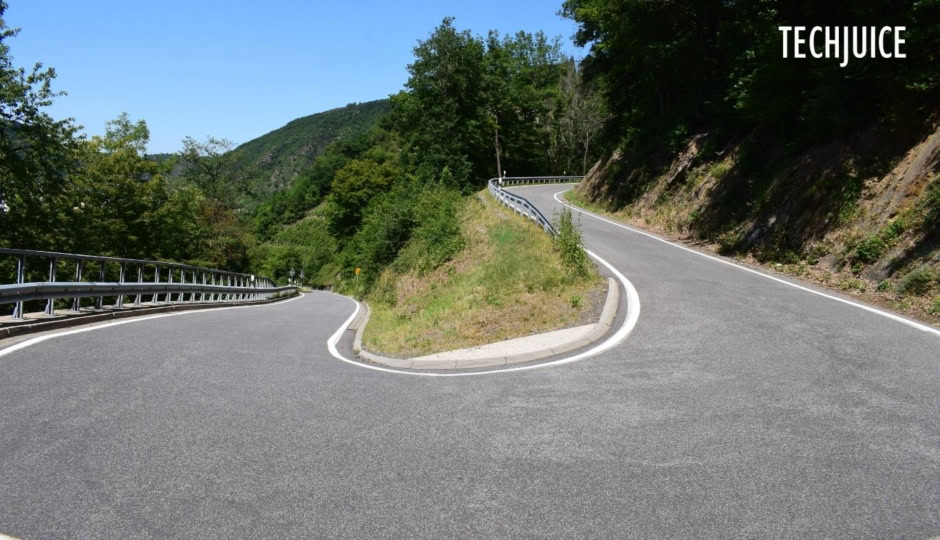
Commuters in the capital finally breathe a sigh of relief as over 95% of U-turns and road intersections, closed since 2011, have now been reopened, easing traffic congestion and shortening travel routes.
Islamabad’s local administration has reopened most of the blocked U-turns and crossings. The initiative was led by Deputy Commissioner Irfan Memon. It aims to ease traffic flow across the city. The public has welcomed the move.
People were tired of “lengthy detours“, higher fuel costs, and longer commutes.
Calling it a result of coordinated action, DC Memon stated,
“This reopening was the result of joint efforts by all stakeholders.” He assured that the changes are “permanent and will not be reversed.”
Traffic Flow Improved, But Challenges Remain
While the initiative has been widely welcomed, traffic officials have cautioned that managing the reopened points may require additional traffic police, particularly in areas that lack functioning traffic lights. A senior police official pointed out that increased staff would be necessary to avoid traffic buildup and ensure road safety.
Back in 2011, the U-turns and intersections were sealed mainly citing security and traffic flow concerns. However, recent statements suggest that “a lack of manpower” was a more significant factor behind the closures. More than 70 road crossings were blocked, inadvertently creating hazards for pedestrians and schoolchildren.
Critics argue that these actions not only overlooked pedestrian rights but also eliminated zebra crossings in several zones. As one CDA official noted, Islamabad had become “overly signal-free”, a condition that encouraged fast and careless driving.
The reopening of intersections is being hailed as a step toward more accessible and pedestrian-friendly urban mobility, but officials stress that continued oversight, staffing, and public cooperation are essential for success.