
India successfully defended their T20 World Cup title, defeating New Zealand comprehensively in a high-scoring final at Ahmedabad, marking a historic third T20 World Cup victory on home soil.
Jasprit Bumrah spearheaded India’s bowling attack, delivering a sensational performance with four wickets for just 15 runs, ending as the leading fast-bowler in World Cup final history.
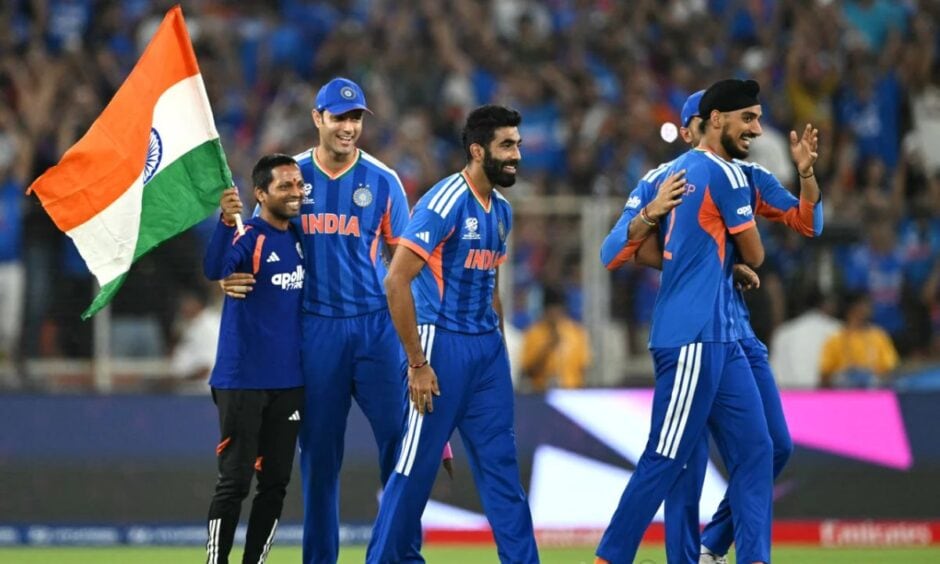
The match showcased India’s superior depth and skill, with key contributions from both batters and bowlers establishing their reputation as one of the greatest T20 teams ever assembled.
Explosive Opening Partnership Sets the Tone
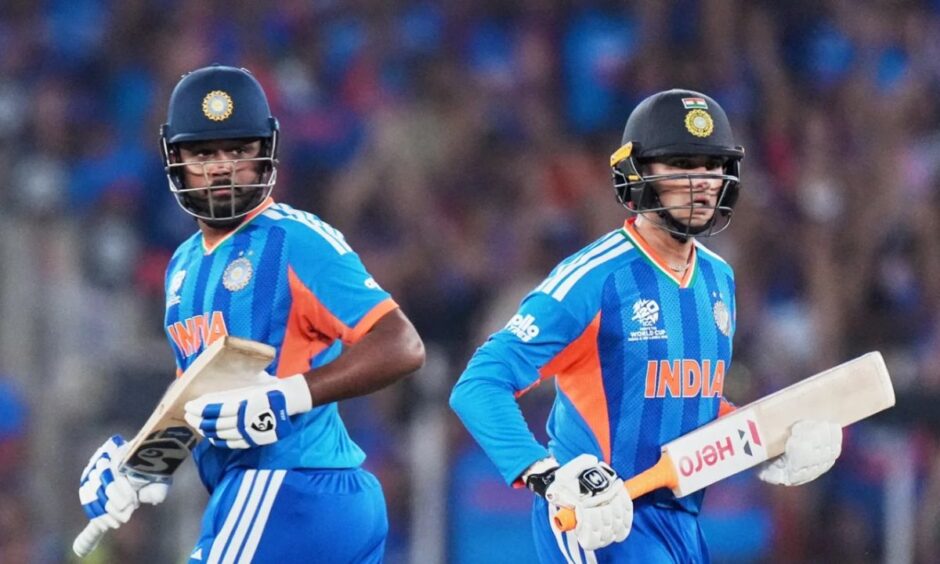
India’s opening duo, Abhishek Sharma and Sanju Samson, launched the innings aggressively, scoring at a phenomenal rate to give the team a dominant early platform for a massive total.
Sharma reached the quickest half-century of this tournament in just 18 balls, maintaining pressure on New Zealand while providing the stability required for the subsequent middle-order acceleration.
Samson complemented the start with a composed innings, hitting multiple boundaries and sixes, ending with a near-century score of 89 off 46 balls before a full toss dismissed him.
Middle Overs Consolidate India’s Command
Ishan Kishan continued the momentum after Sharma’s dismissal, scoring fifty off just 23 balls, ensuring India’s run rate remained exceptional despite the fall of wickets at crucial intervals.
The Indian top order collectively smashed more than one hundred sixes in the tournament, a record surpassing South Africa’s previous highest of 99 in a single ICC limited-overs competition.
Tilak Varma and Suryakumar Yadav maintained the scoring rate, contributing critical boundaries and rotating strike effectively to build India’s total to an imposing 255, the highest in a T20 World Cup final.
Bumrah and Pandya Shine in Death Overs
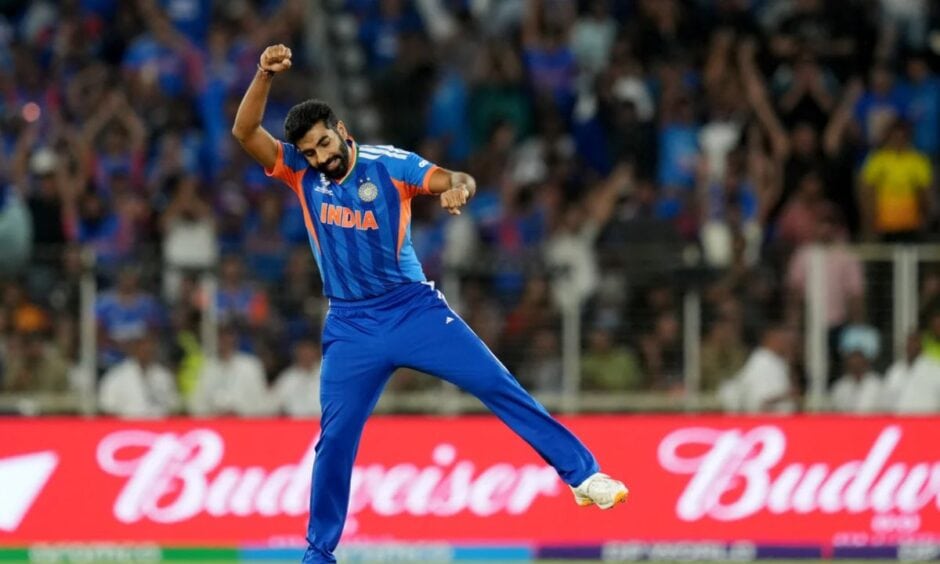
Jasprit Bumrah’s slower yorkers dismantled the New Zealand lower order, removing key batters including James Neesham, while Hardik Pandya supported with precise death-over deliveries to contain the opposition’s scoring potential.
Bumrah ended with four wickets in the final, adding to his 13 wickets in the tournament at an average of 13.23 and an economy of 6.37, cementing his status as Player of the Series.
Arshdeep Singh and Axar Patel also bowled crucial overs, restricting New Zealand during pivotal stages, while Shivam Dube added depth to the attack and ensured India maintained pressure throughout.
New Zealand Struggle to Mount a Challenge
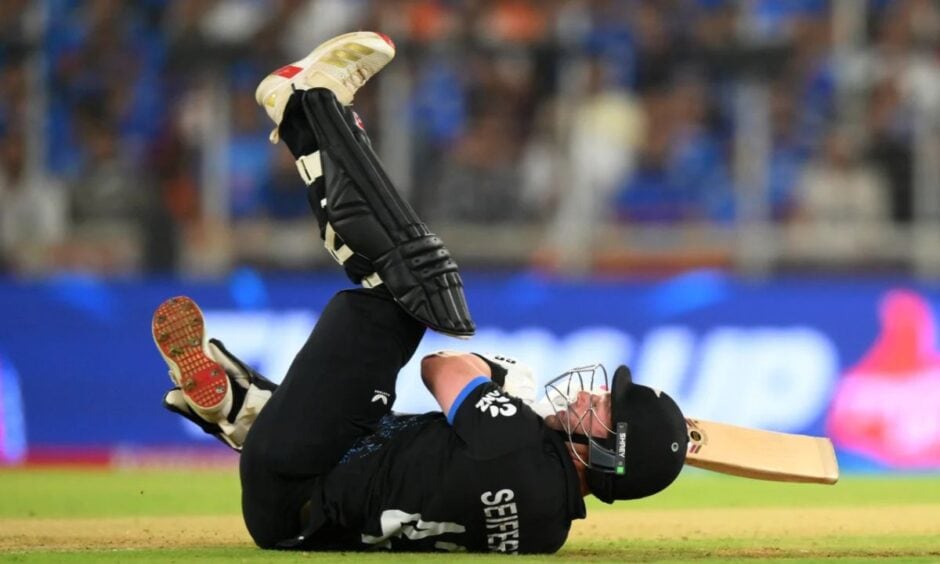
Tim Seifert provided initial resistance for New Zealand, scoring a rapid fifty, but wickets fell consistently, including key dismissals by Varun Chakravarthy and Axar Patel, leaving the team in disarray.
Rachin Ravindra and James Neesham attempted counterattacks but failed to recover from early setbacks, and New Zealand’s chase never gained the momentum required to threaten India’s commanding total.
Lockie Ferguson narrowly avoided Bumrah’s hat-trick, but New Zealand’s batting lineup lacked cohesion, eventually finishing at 141 for 8, well short of India’s target and reinforcing the defending champions’ dominance.
Tactical Mastery and Team Depth
India’s team management exhibited perfect tactical decisions, using bowlers strategically at different phases and rotating the strike with batters to maintain scoring momentum, highlighting depth and flexibility in the squad.
Varun Chakravarthy’s early struggles were mitigated by timely bowling changes and clever field placements, showcasing the team’s ability to adapt to on-field challenges while capitalizing on opposition weaknesses consistently.
New Zealand’s strategies, including early powerplay adjustments and slower-bowler options, proved insufficient against India’s superior execution, leaving the visitors unable to exploit minor opportunities and effectively nullifying their tactical plans.
Records, Milestones, and Legacy
India became the first team to defend a T20 World Cup title, winning their third championship and setting multiple batting and bowling records in a dominant, high-scoring final performance.
Sanju Samson became the second player in T20 World Cups to score three consecutive 80-plus scores, while Abhishek Sharma recorded the fastest half-century in a knockout match at eighteen deliveries.
India’s juggernaut performance underlined their depth, consistency, and skill across all departments, reaffirming their status as arguably the greatest T20 team ever assembled in international cricket history.
The Road Ahead for New Zealand
New Zealand, despite their valiant semi-final efforts, fell short in the final due to inconsistent batting and the inability to capitalize on key overs against India’s relentless attack.
Head coach Rob Walter emphasised collective effort, noting that while India were favourites, New Zealand’s structured approach and cultural commitment would continue providing competitive performances in future T20 tournaments worldwide.