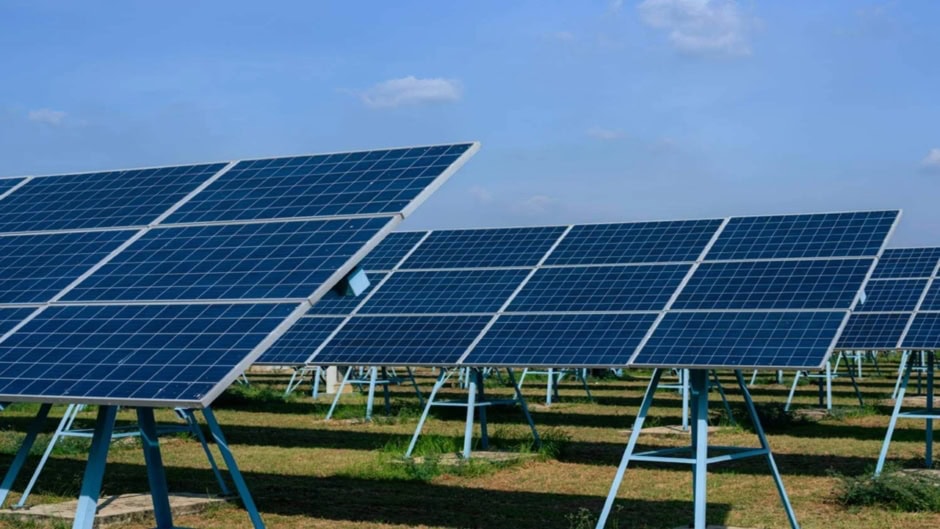
The Khyber-Pakhtunkhwa government is moving ahead with a large solar energy project aimed at helping thousands of families deal with electricity shortages and rising energy costs. Under the plan, 130,000 households across the province will receive solar power systems, either free of cost or at a subsidized rate.
The directive came during a high-level meeting chaired by Khyber-Pakhtunkhwa Chief Minister Muhammad Sohail Afridi at the Chief Minister’s House in Peshawar on Friday.
During the meeting, the chief minister instructed officials to complete all remaining procedural requirements quickly so the distribution of solar systems can begin without unnecessary delays.
CM described the household solarization initiative as one of the provincial government’s flagship welfare programs. He said the government is investing significant resources to make sure the benefits reach those who need them most.
The government is spending public money to provide essential facilities to the people, he told during the meeting, stressing that projects meant for public welfare should not be slowed down by paperwork or administrative hurdles.
According to officials who briefed the meeting, the project will benefit 130,000 deserving households across Khyber-Pakhtunkhwa, including families living in the merged tribal districts. The programme has been divided into two categories.
Under the first category, 65,000 households will receive solar systems completely free of cost. Another 65,000 households will receive solar units at a 50% subsidized price. These families will be able to pay their share in easy instalments, making the systems more affordable.
Officials also confirmed that the project’s PC-1 document has already been completed. It will soon be presented before the Provincial Development Working Party for formal approval.
Alongside this program, another solar initiative is being prepared under the Accelerated Implementation Program (AIP) specifically for the merged districts. This separate component aims to provide solar systems to an additional 120,000 households in those areas and will be placed before the provincial cabinet for approval in an upcoming meeting.
Authorities said the distribution of solar systems will be carried out across all districts according to population size to ensure fairness. Special priority will be given to vulnerable segments of society, including widows, persons with disabilities, temporarily displaced persons, families affected by natural disasters, and communities that still live without regular electricity connections.