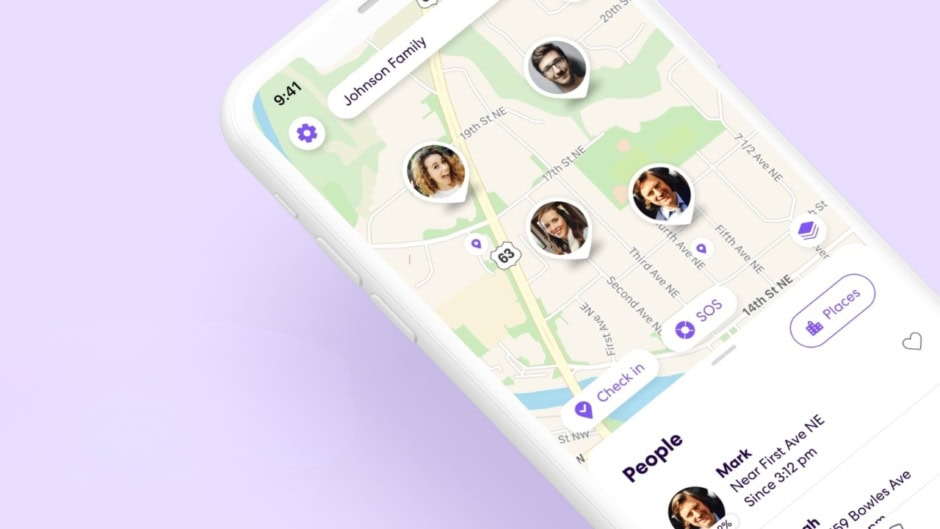
A popular family safety app is reigniting a difficult debate about tracking children. Life360 lets families monitor each other’s real-time location through shared maps. However, critics increasingly argue it blurs the line between safety and surveillance. The concern centers on what constant tracking does to trust and privacy.
Life360 markets itself primarily as a family safety tool. The app provides real-time GPS location, historical location data, and driving behavior analysis. It also offers crash detection and roadside assistance features. Reportedly, the app now serves over 50 million active users worldwide.
However, critics say its function resembles comprehensive location surveillance. The app continuously logs every trip, stop, and location a user visits. Consequently, it builds a complete record of a child’s physical movements. While positioned as mutual sharing, power dynamics often make it one-directional.
This uneven dynamic creates real tension within families. Parents of young children frequently praise the reassurance it provides. However, parents of teenagers describe something more like an arms race. Teens often view the tracking as proof their parents distrust them entirely.
That resentment drives predictable workarounds among tech-savvy teens. Some leave phones at a friend’s house to appear elsewhere. Others simply toggle location off or force-stop the app. As a result, the tool frequently erodes trust faster than it builds safety.
The company has also faced serious data privacy controversies. In 2021, a report revealed Life360 sold precise location data. Critics noted this included the exact locations of children. The company later said it stopped selling precise location data.
However, security incidents further damaged user confidence over time. In 2024, a hacker leaked personal information of over 400,000 users. That breach exposed names, addresses, emails, and phone numbers. A separate breach soon hit a related Tile support platform too.
Ultimately, experts stress there is no simple technological fix here. Apps framing location sharing as mutual and transparent generate less resentment. Meanwhile, one-directional monitoring tends to spark ongoing family conflict. For parents weighing these tools, the choice involves balancing genuine safety against a child’s growing need for privacy and autonomy.