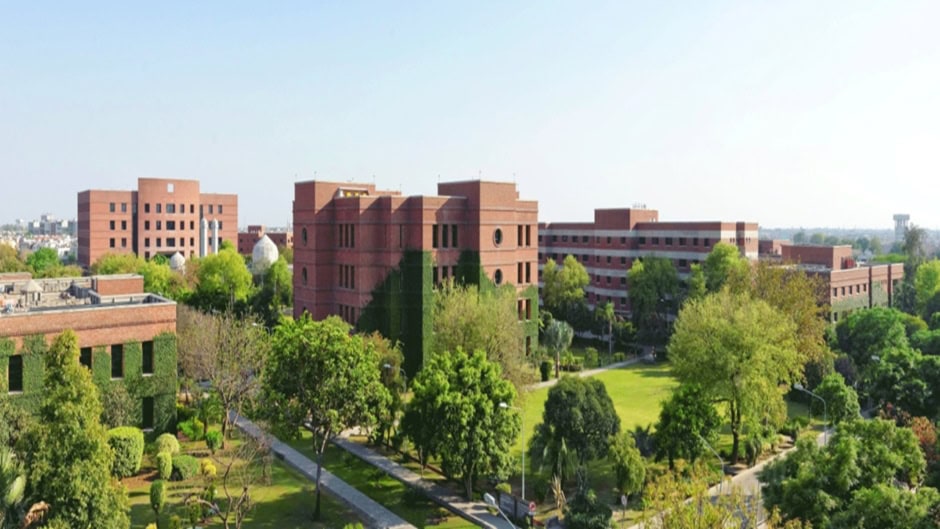
In a major step towards using technology for public welfare, Lahore University of Management Sciences (LUMS) has received a significant grant from the Gates Foundation to set up Pakistan’s first National Artificial Intelligence (AI) Hub. The initiative will begin by focusing on maternal, newborn, and child health, an area where Pakistan continues to face serious challenges.
The Hub is being developed in collaboration with Aga Khan University (AKU), bringing together expertise in technology and healthcare. While LUMS will lead the development of AI tools and research, AKU will contribute clinical knowledge, data, and field testing to ensure these solutions work in real-life settings.
At its core, the project aims to use artificial intelligence to improve early diagnosis, predict health risks, and support doctors and frontline health workers. The goal is simple but critical: to make healthcare faster, more accurate, and more accessible, especially for people living in underserved and remote areas.
The initiative will be led by Dr. Maryam Mustafa, a computer science expert at LUMS, working closely with medical specialists including Professor Fyezah Jehan at AKU. It also has support from Mubarik Imam, who has been involved in advancing research and innovation at the university level.
Pakistan continues to struggle with high maternal and newborn mortality rates. According to available data, around 186 women die per 100,000 births due to complications that are often preventable. Limited access to skilled care, delays in treatment, and gaps in health systems remain key issues.
The new AI Hub aims to address these problems by introducing tools such as risk prediction systems, multilingual voice-based platforms for health workers, and better referral and follow-up systems. These solutions are expected to help doctors make quicker decisions and ensure that patients receive timely care.
This initiative builds on earlier work done by Dr. Mustafa, including a project that used voice technology to help health workers maintain medical records in low-resource settings. That effort showed how simple digital tools can make a real difference on the ground.
Beyond healthcare, the AI Hub is expected to grow into a larger national platform. In the coming years, it may expand into other sectors like education, agriculture, and public services, helping Pakistan build a stronger and more responsible AI ecosystem.
The project also places Pakistan among a small group of countries working on nationally coordinated AI systems for development, with similar efforts already underway in parts of Africa.