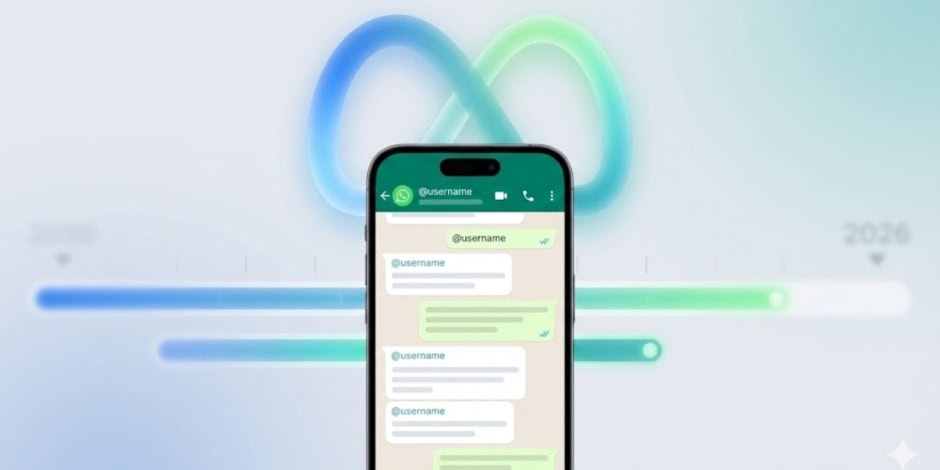
WhatsApp has finalized development of a username support system that will allow users to connect without revealing phone numbers, a shift confirmed by advanced testing and platform updates set to begin rolling out in 2026.
Official sources said the move represents one of the most significant changes to WhatsApp’s identity model since its launch, and it matters now because it can reshape how billions engage on the platform and signal a broader shift toward privacy-centric communication.
According to confirmed development findings, WhatsApp has progressed its username feature to a stage where usernames appear in contact screens and replace phone numbers as primary identifiers in profiles and chats. This implementation, spotted in recent beta builds and internal updates, removes the necessity to share a personal phone number when initiating a conversation.
Once the feature launches, people will be able to create and display a custom username in profile screens, and others will use that handle to start chats, make voice or video calls, and add people to groups without ever seeing their phone number. The usernames are being tested as a replacement for traditional phone number displays in messaging screens and contact lists, thereby separating personal contact info from communication identifiers.
Under the new system, users may reserve and register these usernames ahead of the full rollout, a mechanism spotted in beta versions that suggests a username reservation process similar to those used by other social platforms. Rules for username formats (including limits on characters and avoidance of misleading strings) are likely to be enforced to prevent impersonation and confusion, though official guidelines are still under finalization
The shift toward usernames has been positioned by WhatsApp as a privacy-enhancing step. By disassociating account identity from phone numbers, the feature reduces exposure of sensitive contact details that have historically been required to establish a WhatsApp account. Analysts say this move aligns WhatsApp with other messaging services like Telegram and Signal that already offer username-based connectivity, helping users maintain anonymity when interacting with unknown individuals or businesses.
WhatsApp is also introducing a complementary Business-Scoped User ID (BSUID) that will allow businesses to communicate with customers even if they opt to use usernames. This identifier will be integrated into existing and future WhatsApp Business API versions, appearing in webhook fields so systems can continue routing messages correctly without relying exclusively on phone numbers. Businesses have been advised to update customer relationship management platforms, chatbot integrations, and messaging workflows to incorporate the new BSUID before the June 2026 compliance deadline.
The adoption of usernames brings WhatsApp in line with broader trends in mobile messaging. Platforms like Telegram and Discord have long allowed username-based communication, giving users control over how they are discovered and contacted.
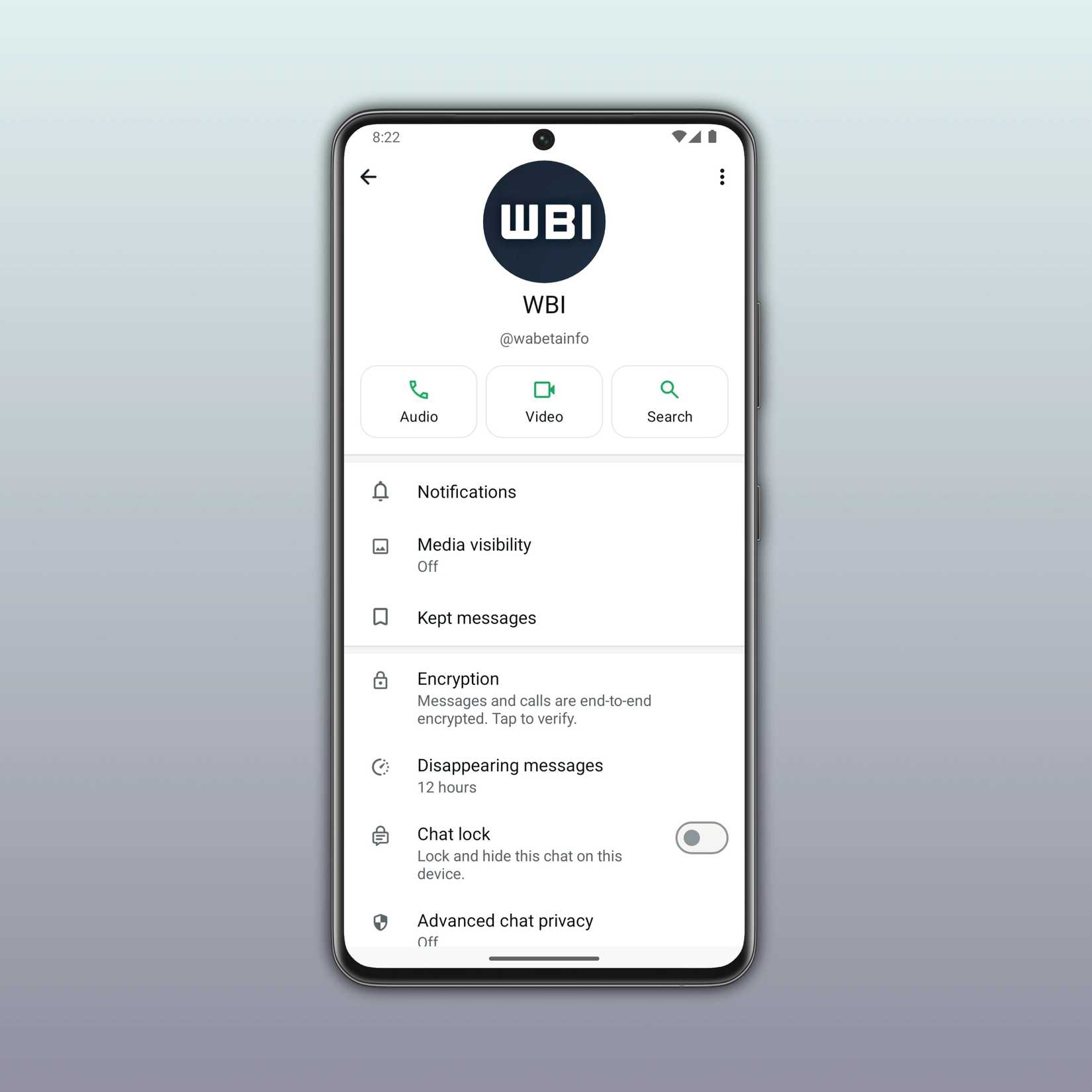
As shown in the image above, usernames will replace the phone number in the contact information screen for individual contacts (right at the top). Your phone number or the contact’s will only show up if you both have each other’s numbers saved. You will be able to find new contacts via their unique ‘@’ handle. Additionally, when you initiate a conversation via a username, their phone number (and yours) will remain invisible.
WhatsApp has not yet provided a precise public launch date, but internal timelines and business preparatory notices suggest that the feature will begin staging rollouts in early to mid-2026.