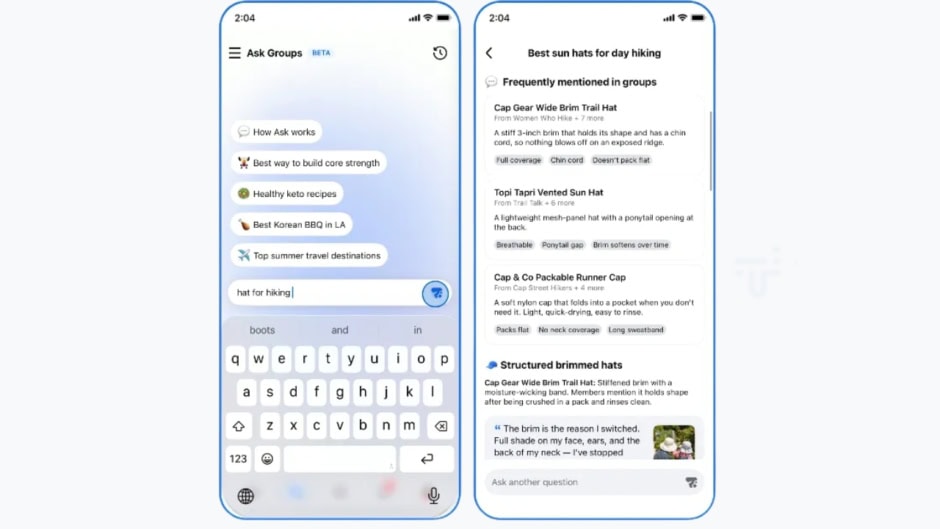
Meta announced contributor badges for its Forums app, positioning the feature as recognition for community experts. The reality is far darker: Meta is engineering unpaid labor extraction at scale to harvest AI training data.
Launched in May 2026, Meta’s Forums explicitly mimics Reddit and Quora’s Q&A structure. That structure is valuable for one reason alone. Artificial intelligence chatbots require high-quality, structured training data. Reddit’s success as AI training fuel proved that human-curated questions and verified answers represent premium machine-learning material.
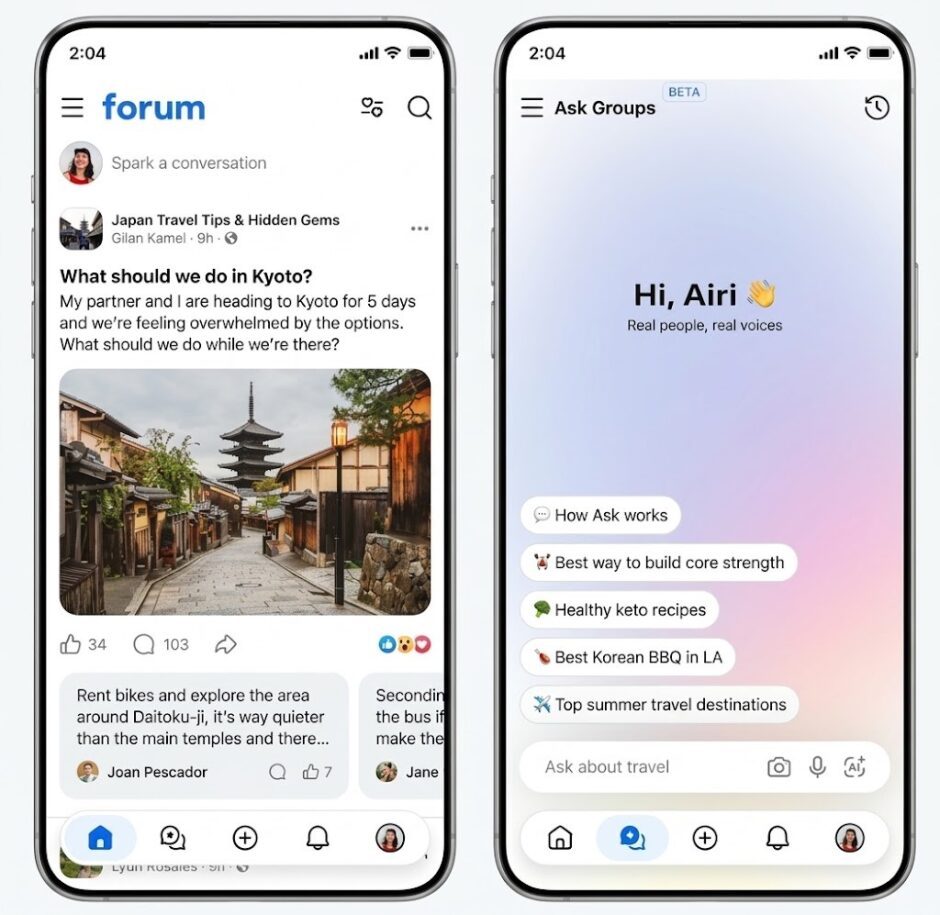
Meta now replicates this model by incentivizing Facebook users to generate billions of Q&A interactions. Contributor badges, faster publishing, and recognition serve as gamification hooks. Users provide free labor. Meta extracts commercial AI value.
The company frames this as community-building. Meta stated that badges reward those who “genuinely help communities,” which can be translated as those who generate the highest-quality answers valuable for AI training receive algorithmic promotion. This multiplies engagement, producing more structured data for model refinement.
Meta’s own statement acknowledges the real purpose. The company highlighted cross-group answer aggregation, allowing users to view responses from multiple Facebook Groups simultaneously. This consolidates fragmented community knowledge into a centralized, machine-readable dataset. Algorithmic filtering will identify and elevate the most useful answers, creating training sets tailored for Meta’s AI models. As they explained:
The role is earned through contributions that genuinely help a community, such as answering questions, sharing firsthand experiences, offering practical tips and recommendations, and starting conversations that bring people together. The role comes with a new badge and new benefits, including posts that publish faster.
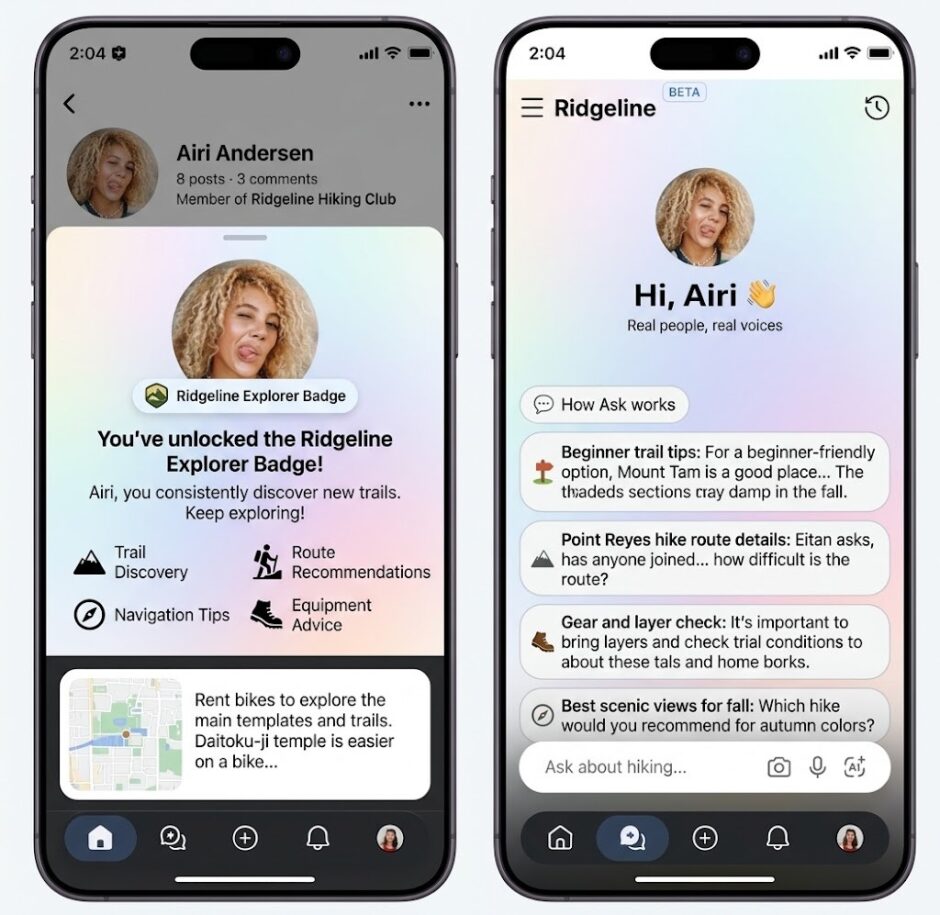
Users answering questions on Forums likely assume their contributions remain within their community. Few understand that their detailed answers, personal experiences, and specialized expertise feed Meta’s commercial AI training pipelines worth billions of dollars.
This pattern matches Meta’s controversial AI reforms throughout 2026. The Muse agent independently shared user addresses without permission. The platform harvests private messages for training data. Yet Meta continues disguising data extraction as feature innovation.
Meta’s strategy exploits information asymmetry. Users see gamification rewards and community validation. Meta sees unpaid AI training labor, harvested at scale from millions of users. The contributor badge costs Meta nothing. The training data value is incalculable.
Privacy advocates worry about aggregation risks. Combining Q&A data from disparate Facebook Groups creates detailed user profiles. Cross-referencing answers with other Meta data sources enables unprecedented behavioral targeting and inference.
Meta’s lack of transparency deepens concerns. The company should clearly disclose that Forums data directly trains AI models, that commercial value is extracted, and that users retain no ownership rights. Instead, Meta obscures the arrangement behind community-building rhetoric.
This represents systematic exploitation of user attention, knowledge, and labor to advance Meta’s AI ambitions without proportional user benefit or meaningful consent mechanisms.