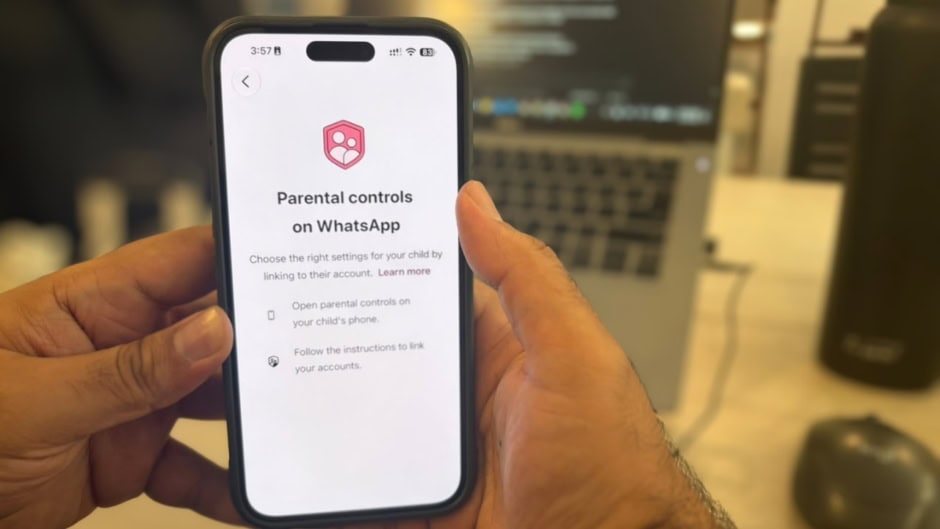
WhatsApp just introduced a new set of parental controls for teenagers. Consequently, parents can now guide their teens without directly reading their messages. The messaging platform guarantees that all personal messages and calls will remain private. End-to-end encryption still protects these conversations. Therefore, nobody outside the chat can see or hear them, including WhatsApp or the parents.
How the New WhatsApp Parental Controls Work
Parents and teens must set up these flexible tools together. Guardians can now restrict who views their teen’s profile picture. Furthermore, they control who can add the teen to new groups. The app also lets parents manage how their teenagers interact with Channels, which organizations and public figures use to broadcast content. Additionally, parents decide whose Status updates their teens see and who can view the teen’s Status.
All these restrictions hide behind a unique PIN. The parent sets this PIN. If a teen wants to relax any privacy settings, they need parental approval via this code.
Moreover, the app now notifies guardians when a teenager joins or leaves a group. WhatsApp will also alert parents when a group’s size reaches 30, 100, or 250 members.
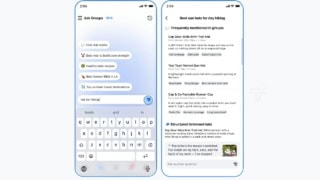
Parents can also limit the new Meta AI assistant. They can keep the default 13+ setting or select a strict “Limited Content” mode. This strict option completely disables private processing-based features, such as message summaries and incognito chat.
An “Obvious Weakness” & Mounting Legal Pressure
WhatsApp designed these controls to be completely optional. Parents can adjust or disable them at any time. However, social media analyst Matt Navarra calls this opt-in design an “obvious weakness”.
Navarra believes this move is highly convenient for Meta. By shifting responsibility to parents and teens, the company reduces its own need for strict age verification. He states that Meta is simply trying to show regulators they have a functioning child safety system. However, Navarra questions whether families will actually use the new tools.
Meta currently faces intense pressure from lawmakers regarding child safety. Multiple lawsuits accuse the company’s products of actively harming children. Just this past August, Meta paid a massive $18 billion fine to settle a lawsuit initiated by 29 U.S. states. In response, Meta recently launched movie rating-inspired content controls, pre-teen WhatsApp accounts, and self-harm search alerts on Instagram.
Escaping the UK Social Media Ban
Currently, the minimum age to use WhatsApp in the UK is 13, though other countries set higher limits. Meanwhile, governments continue demanding stronger child protections.
In June, the UK government announced plans to completely ban under-16s from social media platforms. These new restrictions will take effect in March 2027. The government will enforce this ban using highly effective age assurance measures.
Despite this sweeping legislation, WhatsApp remains excluded from the upcoming ban. The government currently categorizes WhatsApp as a messaging service rather than a social media platform.