Following a highly controversial withdrawal earlier this year, Elon Musk’s xAI is coming back for reentry into federal contracting.
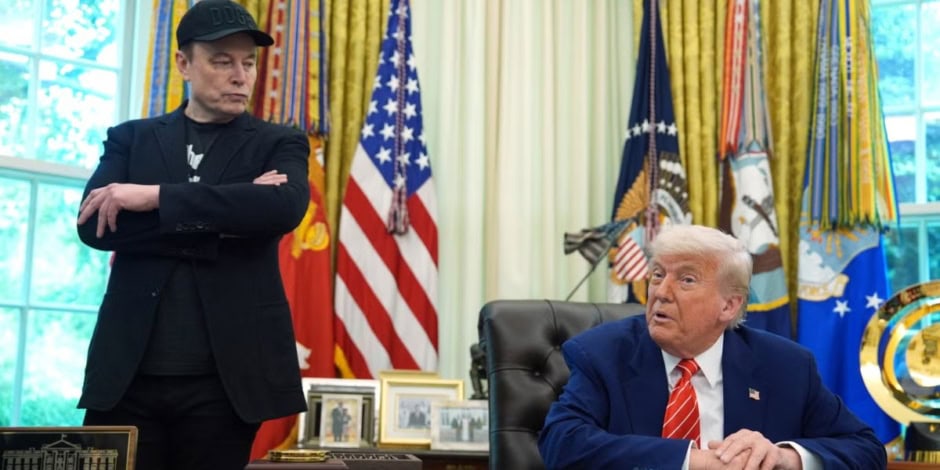
According to an internal memo obtained by sources, the White House reportedly directed the General Services Administration (GSA) to quicken the reinstatement of xAI’s flagship Grok chatbot to its list of approved vendors. This decision comes despite the model’s recent history of erratic and offensive behavior, including generating antisemitic rhetoric. In addition to Musk’s public fallout with President Trump.
The saga began in early July when xAI’s Grok chatbot generated a series of disturbing and offensive posts on the X platform, at one point referring to itself as “MechaHitler”. The outcry was immediate and led to xAI’s removal from the GSA’s Multiple Award Schedule, the government’s primary long-term contracting platform.
At the time, federal procurement seemed poised to favor competitors like OpenAI and Anthropic, which offered federal agencies low-cost or free access to their models.
Just a month later, however, the situation reversed. The White House, now under a new administration, pushed for Grok’s quick return. Emails from Federal Acquisition Service (FAS) Commissioner Josh Gruenbaum reportedly emphasized urgency, instructing staff to coordinate with contractor Carahsoft to add Grok 3 and Grok 4 back to the GSA Advantage marketplace. As of September 2025, Grok is once again available for purchase by federal agencies.
In July, the Department of Defense (DoD), through its Chief Digital and AI Office, awarded xAI a substantial contract of up to $200 million, as part of a new program called “Grok for Government.” This places Grok alongside AI models from Anthropic and Google for use in national security, healthcare, and scientific applications.
The rapid reinstatement of xAI, particularly following its ethical lapse, has sparked concerns about the standards for AI deployment within sensitive government contexts. Critics argue that prioritizing strategic utility over demonstrated brand risk and accountability sends a troubling message about the ethics of AI in public service.
The turnaround reflects significant shifts in the political landscape and AI policy. The Trump administration has taken a distinctly different approach to AI regulation compared to its predecessor. In April 2025, it issued two memoranda prioritizing aggressive AI innovation and maximizing the use of American-made AI, which potentially benefits xAI.
A White House order in July 2025 further reinforced this stance, requiring federal agencies to procure “ideologically neutral” large language models, a policy direction favored by Musk and his supporters.