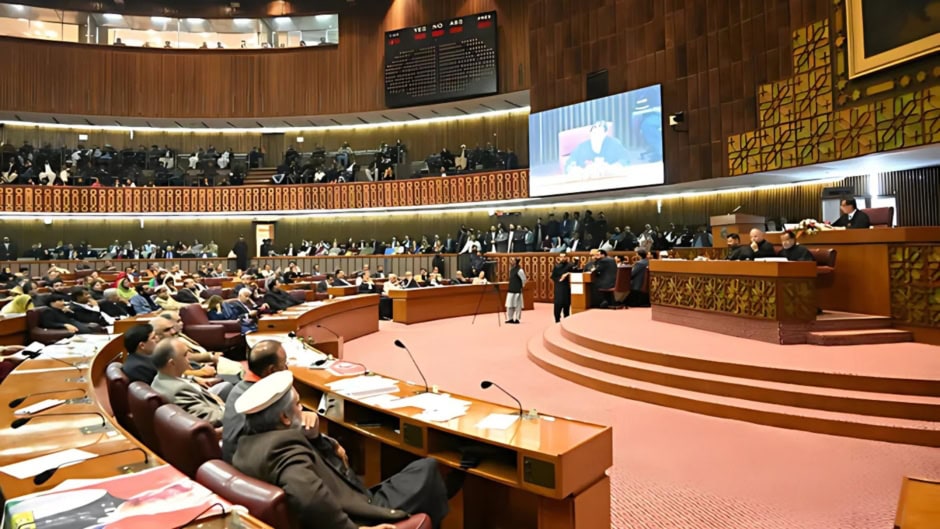
Pakistan’s National Assembly introduced an e‑Office system over ten years ago to digitize parliamentary workflows. However, the platform remains largely nonfunctional and dilapidated today.
Bureaucratic inertia, lack of user training, unclear accountability, and absence of iterative development have rendered modules unusable. Despite various upgrades and training programs by the National Information Technology Board (NITB) and Public Procurement Regulatory Authority (PPRA), legislators and staff continue to rely on paper files, resulting in decision-making delays and undermining transparency objectives. The Assembly’s ongoing inability reflects the broader general e-government problems Pakistan faces, including overambition, digital divide, and poor change management in public sector IT projects.
E-Office Intended Scope
In 2013, the National Information Technology Board (then Ministry of IT) rolled out an e‑Office Suite across federal ministries. This project included the National Assembly, aiming to streamline internal communication, HR management, procurement, project tracking, and budgeting.
The suite’s modules promised end‑to‑end digital processes: electronic file transfers, automated approval workflows, and real‑time status tracking. The project aligned with Pakistan’s broader e‑government strategy to improve efficiency, curb corruption, and deliver citizen‑centric services.
In this regard, the e‑Office system was expected to publish session documents and voting records online, enhancing public access. Its dysfunction, however, means session papers remain off‑system and unsearchable, reducing transparency and citizen oversight.
E-Office System Design Flaws
Even though the efforts to digitize parliamentary proceedings were of good intentions, the system design failed the process. The e‑Office Suite attempted to address all parliamentary functions in one launch, neglecting Minimum Viable Product (MVP) principles.
It is important to note here that according to the surveys and internal reports many of these modules were deemed “overly ambitious” and poorly tailored to actual workflows, leading to low adoption among committee staff and legislators.
Technical and Infrastructure Gaps
Although the secretariat of the National Assembly set the required servers and network architecture, continuous power interruptions and insufficient bandwidth in legislative offices undermined the dependability of the system.
Moreover, lack of compatible hardware and upgraded browsers further degraded the efficiency of many workstations and discouraged their use.
Insufficient Training and Change Management
PPRA held procurement process seminars for 10,000 professionals around the country, while NITB-led seminars taught more than 2,000 parliamentary officials the e-Office features.
Still, the lack of ongoing maintenance and the significant staff turnover led to new users not knowing about the advantages of the system. The training’s concentration on generic elements instead of contextualized, role-specific scenarios limited its practical value.
Future efforts should prioritize pilot testing, iterative feedback, and user-focused performance metrics. A phased, department-by-department rollout could showcase early successes and boost confidence. Finally, resilient infrastructure is vital to minimize downtime and build trust.