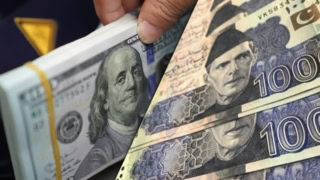
The State Bank of Pakistan flagged Rs6.15 billion in suspicious transactions. When the NCCIA followed the money, investigators found Rs240 billion flowing through 38 bank accounts at three major commercial banks. They now believe the network’s total financial activity reaches Rs1 trillion.
NCCIA Additional Director Shahzad Akbar disclosed the full scale of the operation during a press conference in Karachi on November 19. He described it as the biggest crackdown against online gambling in Pakistan’s history. The agency registered the FIR on November 18 under the Prevention of Electronic Crimes Act 2016 and relevant sections of the Pakistan Penal Code.
Five suspects have been arrested so far. Three of them are CEOs of companies linked to the network. Investigators identified 40 individuals, 38 bank accounts, and 38 companies allegedly connected to the operation. One Chinese national is among the 40 named suspects. Akbar stressed that the NCCIA targeted the real beneficiaries behind the network rather than the benami account holders who fronted for them.
The network operated through at least eight gambling and betting platforms: 1xBet, Stake, X777, X555, 99c444, X111, Melbet, and others. Users deposited funds through JazzCash and Easypaisa mobile wallets. From there, money moved into accounts at Faysal Bank, Habib Metropolitan Bank, and United Bank Limited, all registered under entirely fake business fronts. Some accounts posed as dairy operations. Others listed web design companies as their declared activity. In reality, none of these businesses generated the kind of transaction volumes that flowed through their accounts.
Benami accounts formed the backbone of the entire laundering chain. Account holders received monthly payments in exchange for lending their names and bank credentials to the network. In one case that Akbar highlighted specifically, three accounts registered to a single individual received Rs2 billion in transfers over just 18 months. Members of the network also opened accounts under various company names, then used those corporate fronts to layer and move funds across the banking system.
The platforms themselves fueled the cycle further. According to Akbar, 60% to 65% of user winnings flowed directly back into the betting apps. That created a self-sustaining loop where money circulated continuously between user deposits, platform payouts, and reinvestment. At every stage, the funds passed through commercial bank accounts at Faysal Bank, Habib Metro, and UBL.
On the enforcement side, the NCCIA moved fast once arrests began. Investigators froze approximately Rs1 billion in funds and assets within 24 hours. They also seized $7 million in USDT cryptocurrency tied to the network. Officers recovered Rs7.3 million in cash from one suspect during the raid. Additionally, investigators froze two bank accounts directly linked to the gambling operation.
Bank employees at Faysal Bank, Habib Metro, and UBL face scrutiny as well. Managers who allegedly facilitated the opening of fraudulent accounts have been nominated in the FIR. The NCCIA is now examining how those accounts cleared compliance checks despite transaction patterns that bore no resemblance to their declared business activities. This line of inquiry directly mirrors the FIA’s Faisalabad investigation, where Easypaisa insiders allegedly arranged payment infrastructure for a separate gambling syndicate.
However, the crackdown already faces a legal challenge. The Sindh High Court restrained the NCCIA from acting against one of the named companies after it filed a constitutional petition. The company’s lawyer argued that the NCCIA’s jurisdiction covers cybercrime only and does not extend to money laundering investigations.
TechJuice has tracked the broader gambling investigation since September. The FIA’s parallel Faisalabad probe under FIR No. 32/2026 traces Rs119.93 billion across 11 shell companies. That investigation has produced seven arrests, shut down over 100 JazzCash aggregator accounts, and implicated Easypaisa insiders in arranging payment channels for offshore platforms. Combined with the NCCIA’s Karachi findings, the two probes now account for approximately Rs360 billion in confirmed gambling-linked transactions.
If Akbar’s Rs1 trillion estimate holds, what investigators have traced so far barely scratches one-third of the network’s true scale. The remaining two-thirds sit somewhere in a web of benami accounts, crypto wallets, and fake business fronts that investigators are still unraveling.