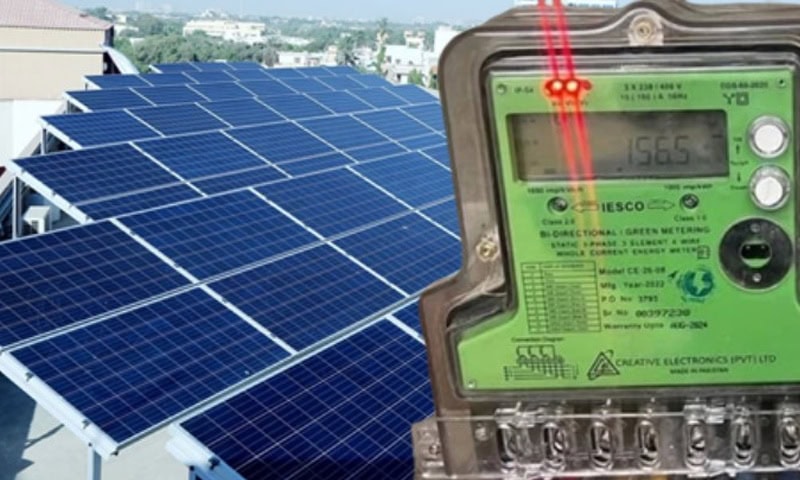
The National Electric Power Regulatory Authority (Nepra) has unveiled draft regulations that could reshape Pakistan’s solar net metering system. The proposed rules include smaller system sizes, lower payments for surplus electricity, and shorter contracts, with public feedback invited within 30 days.
The new draft, titled Prosumer Regulations 2025, is set to replace the net metering framework introduced in 2015. Nepra said the changes aim to protect the national power system while still allowing consumers to save on electricity costs through solar energy.
Under the proposed regulations, solar systems cannot exceed a consumer’s approved electricity load. For example, a household with a 10-kilowatt load would only be allowed to install a 10-kilowatt solar system. Currently, consumers can install systems up to 1.5 times their approved load.
Existing net metering users will continue under the current rules until their seven-year contracts expire. After that, the new framework will apply. Meanwhile, new applicants will face a reduced contract period of five years, with extensions allowed only if mutually agreed upon with their distribution company.
A significant change involves payments for surplus electricity fed back into the grid. The draft proposes paying the National Average Energy Purchase Price, estimated at Rs. 13 per unit, down from the current rate of roughly Rs. 26 per unit.
Nepra highlighted that rising electricity costs, taxes, and surcharges have pushed more consumers toward solar energy. Grid-connected solar capacity has surpassed 6,000 megawatts, while total installed solar capacity in Pakistan exceeds 13,000 megawatts.
The draft also includes local-level limits. Distribution companies would stop accepting new applications once solar generation at a transformer reaches 80 percent of its capacity, citing system safety concerns. Applicants planning larger systems of 250 kilowatts or more must submit technical studies to prove grid stability. Power companies will also have strict timelines to review applications, issue cost estimates, and complete connections.
Nepra emphasized that the proposed rules are designed to maintain grid stability while still allowing consumers to benefit from solar energy. Public comments will be considered before the regulations are finalized.