It appears the government’s invitation for public feedback on controversial new solar rules is little more than theatre. Just two days after the National Electric Power Regulatory Authority (NEPRA) released its draft “Prosumer Regulations 2025” for public comment, relevant authorities have physically locked the online portals for new net metering applications.
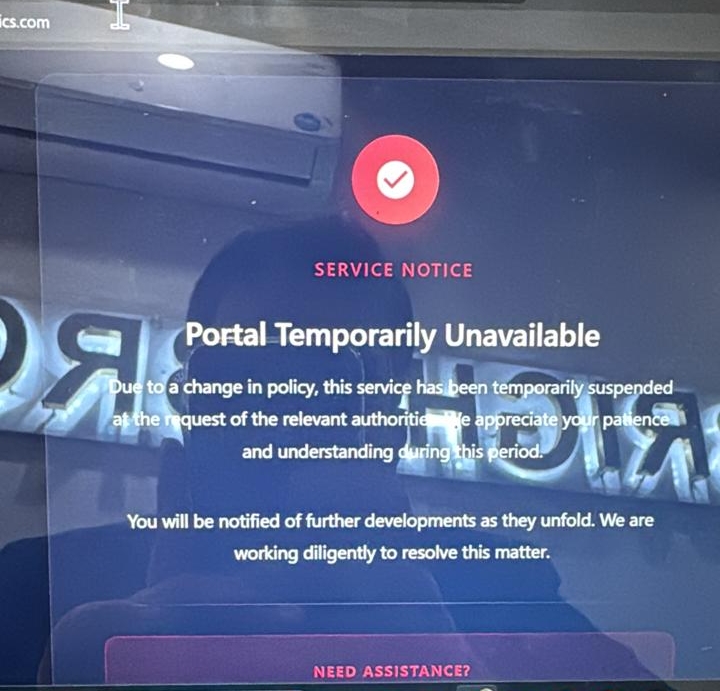
Multiple users attempting to upload files or submit new cases are now met with a “Service Notice”. The notice explicitly states that the service is unavailable due to a “change in policy”. This move effectively slams the door on any new applicants trying to get in under the current, more favourable rules.
NEPRA: The Timeline of Deception
This preemptive shutdown contradicts NEPRA’s own official stance. On December 17, 2025, NEPRA unveiled draft regulations that proposed major cuts to net metering benefits, including smaller system sizes and lower buyback rates. At the time, NEPRA stated that public feedback would be invited for 30 days before the rules were finalised.
However, reports indicate that by December 18, the federal government had already made a final decision to discontinue the current net metering system and replace it with a new “net billing” policy. The immediate locking of the portals suggests authorities aren’t waiting for the consultation period to end. Instead, they have moved directly to implementation behind closed doors, rendering the public feedback process a mere formality.
What the “Change in Policy” Means for You
By locking the portals now, the government is likely forcing all future solar adopters into a much less profitable system. The proposed “net billing” framework fundamentally changes the financial equation for solar owners.
- Buy High, Sell Low: Under the new proposal, you would pay the full national tariff (estimated around Rs. 60 per unit) for electricity imported from the grid. However, you would only be paid a much lower rate (around Rs. 27 per unit) for the surplus electricity you export. This is a massive shift from the current near 1:1 exchange that has allowed many households to reduce their bills to near zero.
- Stricter Limits: The draft rules also propose limiting solar system sizes to 100% of a consumer’s sanctioned load, down from the current 150%. Contract periods for new applicants would also be cut from seven years to five.
Existing net metering users with active contracts will continue under their current rules until their seven-year agreements expire. But for anyone else, the window of opportunity appears to have officially closed.
While officials cite grid instability and rising capacity payments as reasons for the shift, the abrupt lockout sends a clear message that the decision has already been made, regardless of public input.
Update: The portals seem to be up and running now.