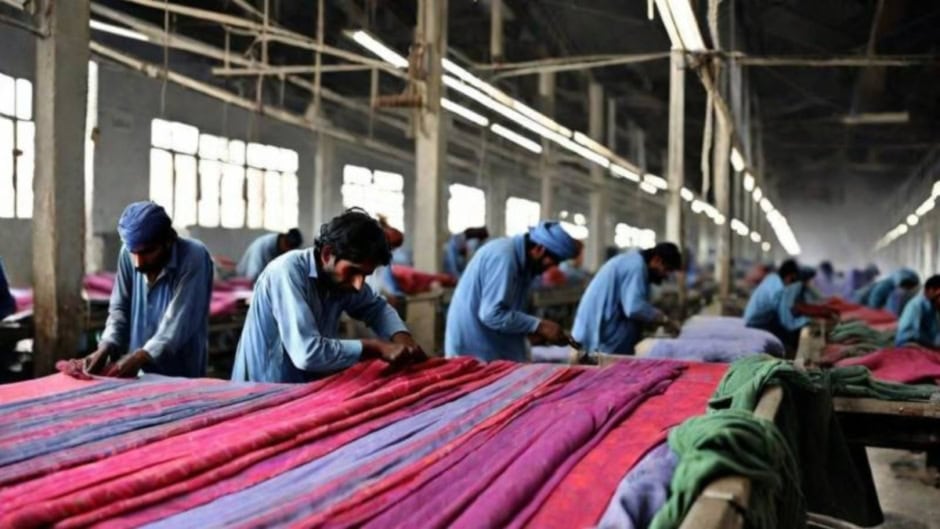
Labour unions and civil society representatives have revealed that privatisation in Pakistan has resulted in the loss of over 450,000 jobs over the past two decades. The revelation came during a national conference jointly organised by the Workers Education and Research Organisation (WERO) and Public Services International (PSI) in Lahore, titled “Public Goods, Not Private Profit: Labour’s Response to Privatisation.”
The event gathered trade unions from across the country, including representatives from Wapda, healthcare, education, irrigation, and municipal corporations. Participants strongly opposed the government’s ongoing policy of transferring public services to the private sector, claiming it has worsened inequality and eroded workers’ rights.
The conference was chaired by Husain Naqi from the Human Rights Commission of Pakistan (HRCP). FES-Pakistan Programme Adviser Abdullah Dayo and Dr Muhammad Azeem from LUMS presented an in-depth analysis of the long-term socioeconomic impact of privatisation in Pakistan.
Punjab Young Doctors Association (YDA) President Dr Shoaib Khan Niazi said privatisation had harmed the delivery of healthcare services, while Pakistan Community Health Workers Federation General Secretary Raheela Tabassum highlighted the struggles faced by lady health workers. Neat and Clean Union Wasa Lahore President Shafique-ur-Rehman Bhatti also discussed the challenges of sanitation workers.
WERO Director Mir Zulfiqar Ali stressed that public services must remain under public control, warning that privatisation always hurts workers and low-income communities the most.
The participants warned that the policy had reduced access to affordable education, healthcare, and essential utilities while putting public sector jobs at risk. The conference concluded with a unanimous resolution calling on the government to halt privatisation, strengthen state institutions, safeguard workers’ rights, and promote trade union activity to ensure job security and fair labour conditions.