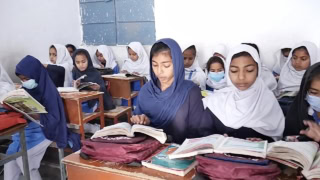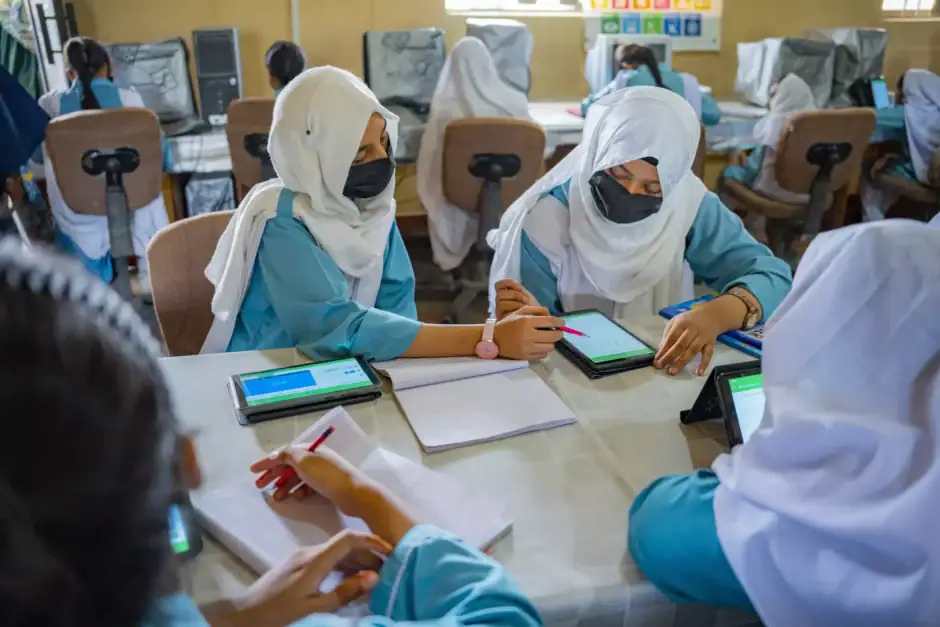
In a landmark move, Pakistan’s Senate has approved a bill to introduce reproductive health education in the national school curriculum. This policy shift aims to enhance students’ awareness of physical, mental, and social well-being, helping them make informed and responsible decisions about their health.
The legislation targets students aged 14 years and above and emphasizes the inclusion of age-appropriate content in textbooks. Lawmakers highlighted that structured reproductive health education is vital for long-term public health outcomes and promoting responsible behavior among young people.
A key component of the new law is the requirement for parental consent. Schools must obtain written approval from parents before providing reproductive health lessons. Authorities will also ensure that the curriculum is carefully developed, incorporating topics on physical, mental, and social health in a structured manner.
Lawmakers called this a significant step toward protecting the health of youth, increasing awareness, and supporting students in making educated decisions regarding their well-being.
The move comes as part of broader efforts to modernize education in Pakistan and integrate health literacy into the learning process. UNICEF and other education advocates have emphasized that early awareness can help reduce future health risks and improve overall public health standards.
“Structured reproductive health education will enable students to make responsible choices and foster healthier communities in the long term,” said a Senate lawmaker during the approval session.