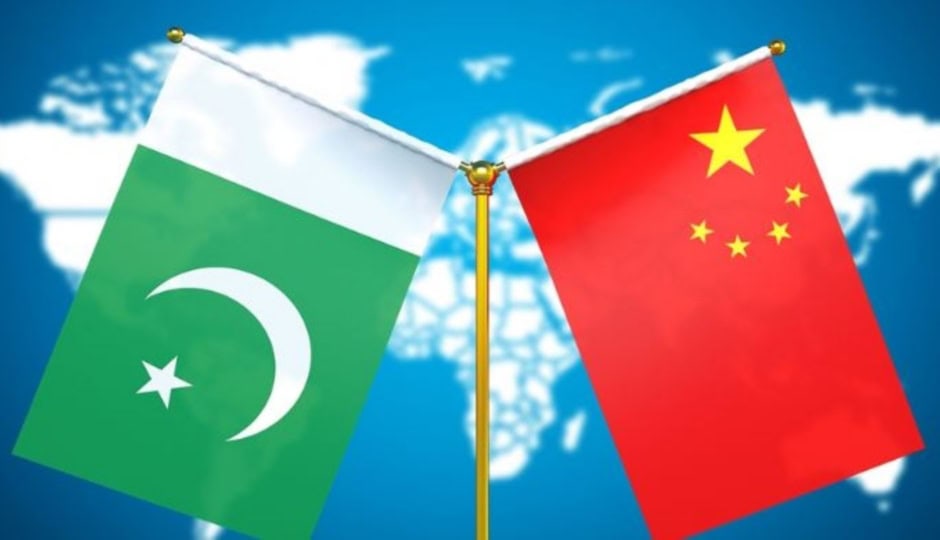
Pakistan and China have strengthened cooperation in livestock and agriculture, giving fresh momentum to bilateral industrial development under CPEC 2.0. The progress comes after the January 19–24 visit held during the 2026 China-Pakistan Agriculture Investment Conference, where multiple agreements were finalized to expand collaboration in animal husbandry and veterinary sciences.
The new initiatives aim to promote technology transfer, research collaboration, and skill development in Pakistan’s livestock sector.
During the visit, Jinan Animal Husbandry Industry Craftsman College signed agreements with the Pak-China Joint Chamber of Commerce & Industry (PCJCCI) and GO DAIRY Private Limited. The agreements pave the way for establishing a China-Pakistan Animal Husbandry and Veterinary Industry Technology Cooperation Center.
The proposed center will focus on research and development, industry standard-setting, and specialized talent training to modernize Pakistan’s livestock industry.
A separate memorandum with GO DAIRY Private Limited will support advanced sheep in-vitro fertilization and dairy cow breeding technologies, offering tailored technical solutions and on-site guidance to address breeding challenges.
Academic and Vocational Collaboration
An understanding was also reached with the University of Veterinary & Animal Sciences (UVAS) to jointly develop curricula and establish a training base for vocational education and professional skills in livestock management.
To ensure smooth coordination, a dedicated China-Pakistan Animal Husbandry Cooperation Center will be set up to maintain regular communication and oversee project implementation.
Both countries agreed to prioritize research in key areas, including Himalayan pink salt applications in livestock, sheep IVF technology, and dairy cow breeding. A joint laboratory will also be established to promote technology localization and practical industrial applications.
In addition to livestock cooperation, China will offer study and training opportunities to 3,000 Pakistani students, further strengthening educational and technical collaboration under CPEC 2.0. The initiative is expected to enhance skill development and human capital in agriculture and related industries.
Strengthening CPEC 2.0 Framework
The latest agreements reflect a shift toward technology-driven and skill-focused cooperation under the second phase of CPEC. By integrating research, industrial application, and vocational training, both countries aim to boost productivity, innovation, and long-term agricultural growth.
Officials believe the enhanced livestock collaboration will not only modernize breeding practices but also improve exports, rural incomes, and food security in Pakistan.