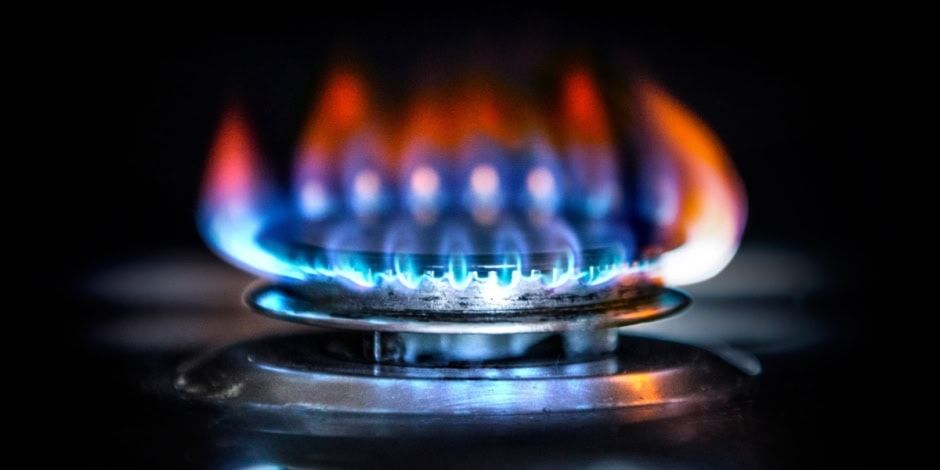
Pakistan may face a major gas shortage after April 14 as liquefied natural gas (LNG) supplies from Qatar have been disrupted due to the ongoing conflict in the Middle East, officials informed the Senate’s Petroleum Committee during a briefing.
During the meeting, the Director General of LNG told lawmakers that gas shipments from Qatar have been completely suspended due to the regional conflict, forcing authorities in Pakistan to increase reliance on domestic gas production.
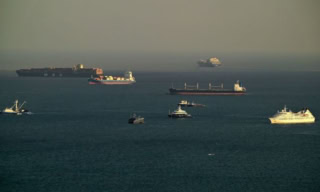
Officials revealed that only two out of eight LNG cargoes scheduled for March have reached the country, while the remaining six shipments could not arrive because of the ongoing crisis in the Gulf region. The situation is expected to continue in April, where three out of six planned LNG cargoes may also fail to reach Pakistan.
To manage the potential shortage, authorities have prepared an emergency gas supply plan for March 2026. Under the proposed strategy, system gas supply will be reduced from 655 million cubic feet per day (MMCFD) to 642 MMCFD, while RLNG supply will slightly increase from 28 to 30 MMCFD. As a result, overall gas availability is expected to fall from 683 to 672 MMCFD.
The government is also revising gas allocations across different sectors. Domestic consumers are expected to receive higher allocations, increasing from 399 to 420 MMCFD. However, gas supply for the commercial sector may decline from 10 to 8 MMCFD, while allocations for process industries could drop from 140 to 120 MMCFD.
Meanwhile, the power sector is expected to receive a slight increase in supply from 18 to 20 MMCFD, while fertilizer plants may see allocations rise marginally from 29 to 30 MMCFD. Gas supply to captive power plants will likely be reduced from 82 to 70 MMCFD as part of the conservation measures.
Officials also informed the committee that alternative LNG supplies could potentially be arranged through an Azerbaijani company, but the cost of such imports may be nearly three times higher than current LNG purchases.
Authorities emphasized that controlling domestic gas consumption and securing alternative supply agreements will be crucial for Pakistan to avoid a severe energy crisis in the coming months.