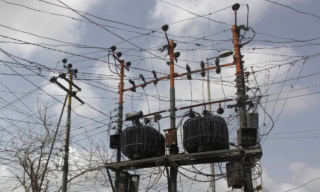
Pakistan’s electricity generation recorded a notable increase in March 2026, but ongoing supply constraints have kept loadshedding in place across parts of the country.
According to data compiled by Topline Securities, total power generation reached 8,939 GWh during the month, reflecting a 6.3% year-on-year (YoY) increase and a strong 16.2% rise compared to February.
On a cumulative basis, electricity generation during the first nine months of FY26 stood at 93,130 GWh, marking a 3.3% increase compared to the same period last year.
Despite higher output, the average cost of power generation declined significantly to Rs. 8.1 per unit in March, down 15% YoY. The nine-month average cost also fell to Rs. 8.2 per unit, showing a 5% decrease.
Hydropower led the growth, surging 62% YoY to 2,105 GWh and contributing approximately 23.5% to the overall energy mix, making it the largest source of electricity during the month.
Coal-based generation also saw an uptick, with local coal increasing by 7.5% and imported coal rising sharply by over 126%, indicating growing reliance on coal for power production.
Gas-based generation posted a modest increase of 3.6%, while nuclear power output declined by around 11.7% YoY despite some recovery on a monthly basis.
A major drop was recorded in RLNG-based generation, which fell by 67% YoY due to reduced LNG shipments linked to regional geopolitical tensions.
Among renewable sources, wind power generation increased by 34%, whereas solar generation recorded a slight decline.
Analysts note that despite improved generation figures, supply-demand imbalances and fuel constraints continue to drive loadshedding, particularly during peak hours.