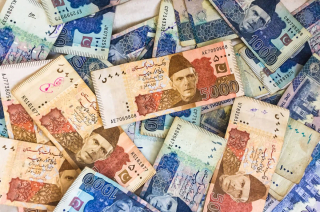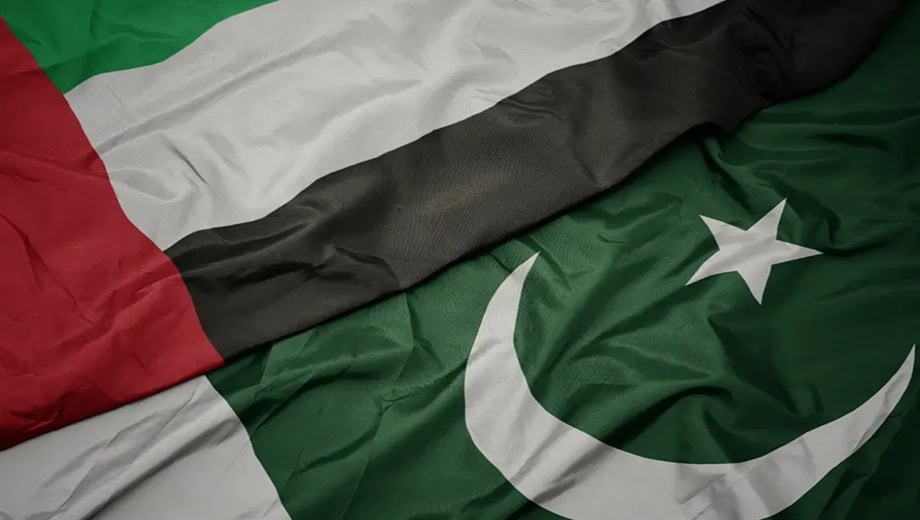
Pakistan is set to formally request the rollover of a USD 3 billion loan from the United Arab Emirates (UAE), official sources said on Tuesday, as the country seeks to ease pressure on its foreign reserves and balance-of-payments position.
Prime Minister Shehbaz Sharif is expected to write to UAE President Sheikh Mohamed bin Zayed Al Nahyan asking for the extension of three tranches totaling USD3 billion, which are currently held in the State Bank of Pakistan (SBP) and are being used to support the country’s external financing needs.
According to ministry officials, the first $1 billion tranche will mature on January 17, the second on January 23, and the third tranche of $1 billion is due in July. The government aims to rollover all three installments to maintain liquidity and prevent sudden pressure on reserves.
“The Ministry of Finance has completed its internal work, and the Prime Minister will soon formally request the UAE authorities for the rollover,” said a senior official on condition of anonymity.
Pakistan is currently paying an interest rate of 3 to 6.5 percent on the overall $3 billion deposit. Officials caution that if the rollover is not approved or if terms change, interest rates could rise above 6.5 percent, increasing debt servicing costs for the government.
The move underscores the delicate balance Pakistan faces in managing its foreign reserves, which have been under strain due to rising import bills, debt repayments, and global financial volatility. The UAE facility, while classified as a “safe deposit” in the SBP, has effectively functioned as a critical buffer for the country’s external account.
Analysts suggest that rollover agreements of this kind are common in times of economic stress, but they also highlight Pakistan’s continued reliance on bilateral support and short-term liquidity solutions rather than long-term structural reforms.
“While extending such loans buys breathing room, it does not substitute for stronger export growth, investment, or domestic revenue mobilization,” said an economist familiar with Pakistan’s external financing strategy. “Repeated rollovers, if not accompanied by broader reforms, can exacerbate fiscal vulnerability over time.”
The request also comes as Pakistan navigates discussions with the International Monetary Fund (IMF) and other multilateral lenders, trying to secure confidence from international markets and prevent depreciation pressures on the rupee.
Officials in Islamabad remain optimistic that the UAE, a longstanding partner, will agree to rollover the tranches, citing historical precedent and strong diplomatic ties. A successful rollover would mean Pakistan can avoid sudden outflows, stabilize reserves, and continue meeting essential imports and external obligations without immediate disruption.
Without such reforms, each rollover could merely postpone the underlying pressures, leaving the country vulnerable to another liquidity crunch in the near term. For now, the government’s focus remains on securing the rollover and ensuring that balance-of-payments stability is maintained, while sending a reassuring signal to markets and investors that external obligations will be met.