Pakistan’s 5G rollout was expected to mark a major leap in mobile connectivity. Instead, many users with the latest Apple, Samsung, and Google Pixel smartphones remain locked out of the network. The issue has triggered criticism online, especially from customers who upgraded their devices expecting immediate 5G access.
The core problem is technical but significant. 5G will not work on an iPhone until the carrier pushes the required carrier bundle to Apple. This applies whether users are on Jazz, Zong, Ufone, Telenor, or Onic. Without that update, the phone cannot connect to Pakistan’s 5G bands.
5G won’t work on your iPhone until your carrier pushes the necessary carrier updates to Apple. Whether you’re on Jazz, Zong, Ufone, Telenor, or Onic, you need the new carrier bundle.
It will either be pushed to your iPhone over the air or with the next software update.
— Uzair Ghani (@UzairGhani) March 19, 2026
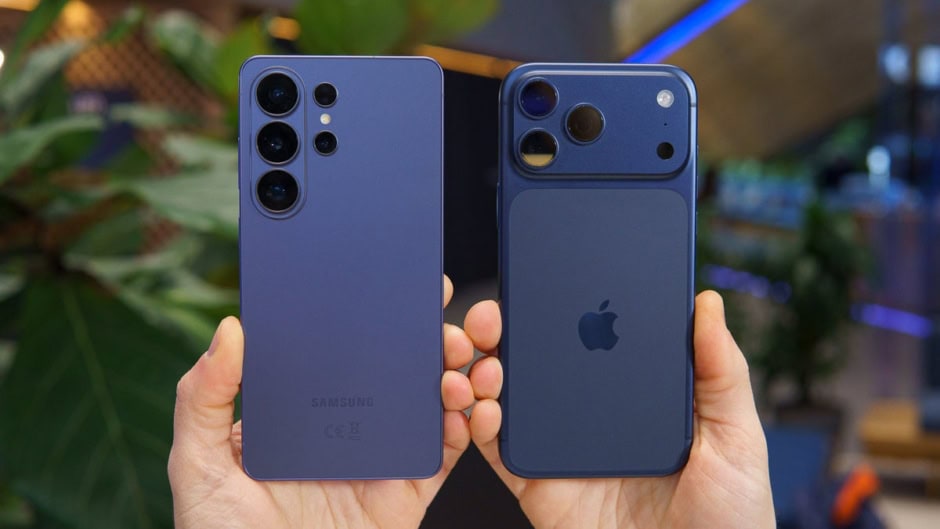
These carrier settings are usually delivered over the air or included in the next iOS software update. Until then, even the newest iPhone models remain stuck on LTE. The same situation affects many recent Samsung flagship devices, which also require local carrier approval to unlock 5G functionality.
Google Pixel devices face a similar restriction. Google applies a firmware-level whitelist system. Under this system, 5G remains disabled unless the carrier is officially certified for that region. Even if the device supports the required bands, the option stays hidden without approval.
The restriction stems from how manufacturers manage regional certifications. Smartphone brands often limit 5G in countries where networks are not officially cleared. Pakistan’s 5G launch remains in a pilot phase, and several telecom operators are still awaiting formal certification from global manufacturers.
Samsung follows a Country Specific Code system. If a device connects to an uncertified network, or if it is an imported model, the firmware may block 5G access. This means many users with international variants cannot activate 5G despite having compatible hardware.
Other brands such as Xiaomi, Oppo, and Vivo tend to impose fewer restrictions. However, access still depends on local network activation.
Top telcos Jazz, Zong, and Ufone have yet to complete full updates for all major devices. In a public response, Jazz acknowledged that 5G is currently not supported on iPhones and said efforts are underway to expand compatibility.
Limited Device Support Sparks Online Backlash
Online users have started criticizing the situation. Many argue that premium smartphone buyers should not be waiting behind entry-level devices. On social media, some users openly mocked networks, saying it is ironic that 5G exists but does not work on the most popular flagship phones.
So @jazzpk doesn't support 5G on iPhones. Hahaha!
I think it's time to port out to another network. I live right above the largest Jazz experience center in Karachi and still barely get any signals or data speed on LTE.
Shameful and pathetic @aamir_ibrahim01!
— Wajahat Kazmi (@KazmiWajahat) March 19, 2026
One frustrated subscriber said that Jazz does not support 5G on iPhones, adding that it might be time to port out to another network. The user claimed to live above the largest jazz experience center in Karachi, yet struggles to get stable LTE signals. Similar complaints have surfaced from customers in other urban areas.
The criticism highlights a larger concern. Consumers expect smooth 5G activation, especially after spectrum auctions and public announcements. However, without full device compatibility and stable infrastructure, many users feel the rollout remains incomplete.