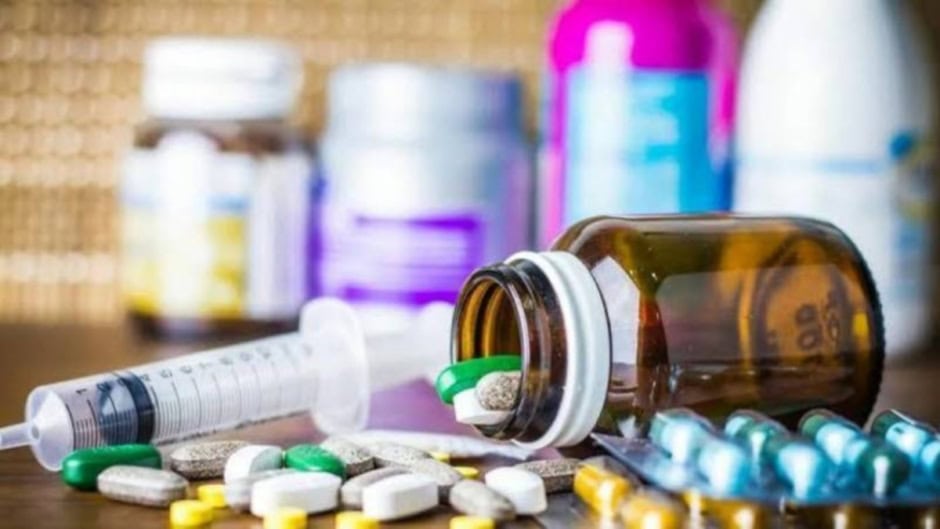
Pakistan’s pharmaceutical exports have reached their highest growth in two decades, driven by strategic policy reforms and expanding global demand.
In the fiscal year ending June 30, 2025, Pakistan’s pharmaceutical exports climbed sharply, reaching $457 million, up from $341 million in FY24. This 34 percent increase marks the fastest year-on-year growth the sector has seen in 20 years, according to data from the Pakistan Pharmaceutical Manufacturers’ Association (PPMA).
Pharmaceutical exports now rank fifth among Pakistan’s fastest-growing export categories. Additionally, total exports of therapeutic goods—including medicines, surgical tools, food supplements, medical devices, and nutraceuticals—stood at $909 million in FY25, bringing the country close to the $1 billion benchmark.
PPMA Chairman Tauqeer Ul Haq credited the historic growth in pharmaceutical exports to the government’s pricing reforms, particularly the February 2024 deregulation of non-essential medicines. This shift allowed companies to adjust prices in line with inflation, enhance investment in production, and stabilize local markets by eliminating black-market practices.
Deregulation Policy Boosts Foreign Investment in Pharma Sector
The deregulation policy also encouraged foreign pharmaceutical companies to remain in the country and invest in new technologies. According to Ul Haq, upcoming investments aim to localize the production of vaccines and active pharmaceutical ingredients (APIs), which will support import substitution and increase self-reliance.
At the International Center for Chemical and Biological Sciences (ICCBS), Syed Hassan Arsalan from The Searle highlighted that Afghanistan remains Pakistan’s largest export market for medicines, followed by the Philippines, Sri Lanka, Uzbekistan, and French West Africa. He added that Iraq and Kenya are emerging markets showing promising growth, while Vietnam, Myanmar, and Thailand also offer untapped potential.
Nadeem Rahmat of PharmaEvo emphasized the global opportunity, noting that the pharmaceutical market is projected to reach $1.5 trillion by 2030, with generics alone accounting for $600 billion—a segment Pakistan is well-positioned to serve.
Analyst Muryum Palekar from Optimus Capital Management explained that Pakistan currently exports to less regulated regions in Asia and Africa. Although exports currently contribute 5–7 percent of revenue for most local pharma firms, she believes the industry can grow rapidly as India and China shift toward research-focused strategies. This opens room for Pakistan to fill the generics demand in developing countries facing high disease burdens.