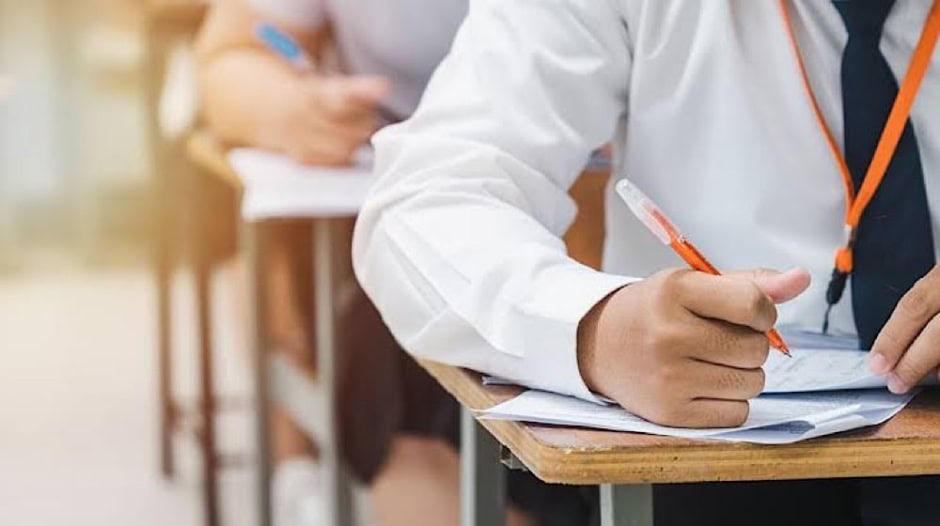
Parents across Punjab have strongly protested after education boards increased the Intermediate examination fee by sharply raising CCTV installation charges from Rs.30 to Rs.1,030 for the May 2026 annual exams. The sudden jump has triggered widespread concern, with families calling the decision unfair and financially burdensome for students.
The revised charges have been added directly to the exam entry fee, significantly increasing the total cost for Intermediate candidates compared to previous years.
According to details, Punjab’s education boards had previously charged only Rs.30 per student during the Matric annual exams for CCTV installation at examination centers. However, for the upcoming Intermediate exams scheduled in May 2026, the amount has been raised to Rs.1,030 per student.
The steep increase has drawn criticism from parents who argue that surveillance measures are the responsibility of examination authorities and institutions, not students.
Parents say, “It is unfair to collect millions of rupees from students for CCTV cameras when ensuring transparent exams is the duty of the boards.”
The decision has sparked backlash across multiple districts, with parents demanding immediate withdrawal of the revised fee. Many believe the sudden increase adds unnecessary financial pressure, especially at a time when households are already struggling with rising living costs.
Education observers note that while CCTV cameras are introduced to improve transparency and prevent cheating, shifting the entire financial burden to students has raised serious questions about policy planning.
Punjab education boards have been gradually implementing stricter monitoring systems at exam centers to ensure fair examinations. The installation of CCTV cameras is part of broader reforms aimed at improving credibility and reducing malpractice. However, the massive hike from Rs.30 to Rs.1,030 has overshadowed the objective of these reforms.
Parents continue to urge authorities to reconsider the decision and absorb the cost through official budgets instead of passing it on to students.