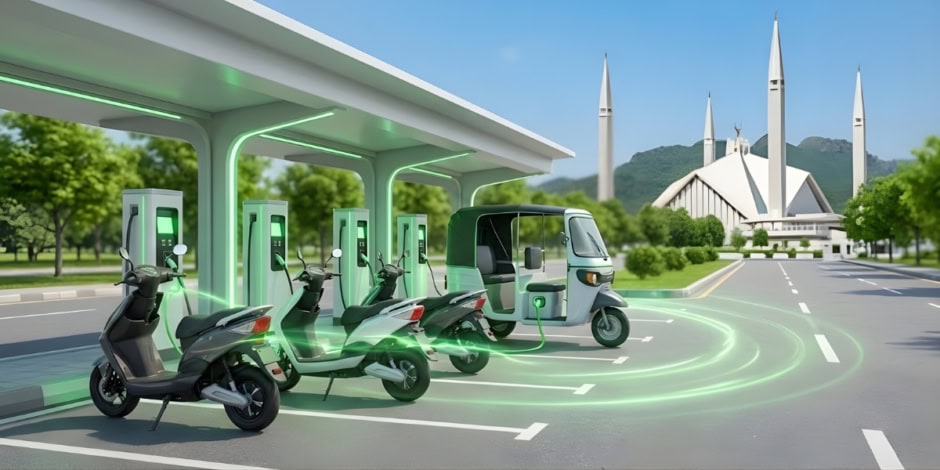
Pakistan is accelerating its shift toward green transportation. The Engineering Development Board (EDB) has officially commenced the Pakistan Accelerated Vehicle Electrification (PAVE) Scheme. This initiative aims to put thousands of electric vehicles on the road while slashing the national fuel bill.
CEO Hamad Ali Mansoor confirmed that the government is now providing electric bikes, rickshaws, and loaders. These vehicles come with significant subsidies and easy instalment plans.
Financial Incentives & The PKR 80,000 Subsidy
The PAVE Scheme offers a massive financial boost for new buyers. Specifically, the government provides a subsidy of up to PKR 80,000 for electric bikes. This amount moves directly into the approved bank accounts of applicants. The State Bank of Pakistan (SBP) is facilitating these transfers to ensure transparency and speed.
Moreover, the government is partnering with banks to offer leasing options. This allows citizens to acquire electric bikes and rickshaws through easy instalments.
PAVE Scheme Financial Summary:
| Category | Detail |
| Electric Bike Subsidy | Up to PKR 80,000 |
| Current Year Budget | Approximately PKR 9 Billion |
| Long-term Budget (by 2030) | Over PKR 100 Billion |
| Disbursement Channel | State Bank of Pakistan (Direct Transfer) |
PAVE Scheme: Two-Phase Expansion Strategy
The government is rolling out the scheme in distinct phases to manage the high volume of applicants. Currently, Phase 1 is in full swing. It targets a total of 41,000 recipients. Furthermore, the EDB is already preparing for an even larger second phase to meet growing demand.
Implementation Targets:
| Phase | Target Vehicle Count | Included Vehicles |
| Phase 1 (Ongoing) | 41,000 Units | 40,000 e-bikes; 1,000 rickshaws/loaders. |
| Phase 2 (Upcoming) | 78,000+ Units | Electric bikes, rickshaws, & loaders. |
However, eligibility remains strict. Only individuals who follow the approved procedure under the PAVE Scheme can claim the government subsidy.
Economic & Environmental Goals
This initiative serves multiple strategic purposes. First, it targets students, youth, and women to provide them with affordable mobility. Second, it aims to strengthen the local electric vehicle industry.
Consequently, the government expects to see a significant drop in fuel import bills. This shift will also combat rising environmental pollution and promote alternative energy sources. Ultimately, the PAVE Scheme intends to foster a sustainable and eco-friendly transport system across the country.