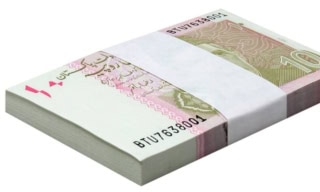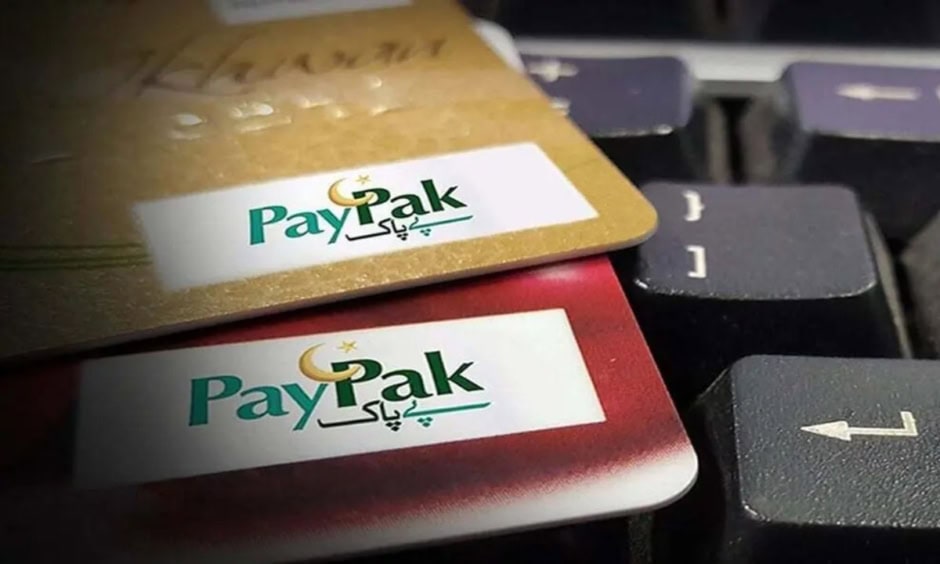
1LINK has proposed making PayPak cards compulsory for salary accounts of government employees, along with subsidy programmes and public sector payments, as part of an effort to cut reliance on international card schemes such as Visa and Mastercard.
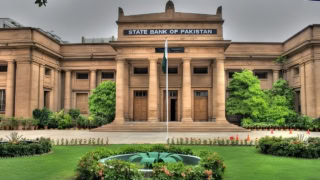
The proposals, shared by the State Bank of Pakistan (SBP) call for mandatory issuance of PayPak cards to government employees, beneficiaries of subsidy schemes, social safety-net programmes and mass-transit payment systems.
To boost adoption, 1LINK has recommended tax relief and incentives on Point-of-Sale (PoS) and e-commerce transactions made through PayPak cards. It has also proposed that public-facing government service centres, including NADRA, Excise and Passport offices, install PoS machines that accept PayPak cards.
Additional proposals include discounts, cashback and loyalty rewards for PayPak transactions, particularly for utility bill payments, fuel purchases, public transport fares and other government-related payments.
The recommendations form part of a broader SBP strategy to strengthen domestic payment infrastructure and increase the share of transactions processed through national payment rails, namely Raast and PayPak, instead of international networks.
According to the SBP, several policy, regulatory and market development steps have already been introduced to strengthen the PayPak ecosystem. These include co-badged PayPak cards usable for both domestic and international transactions, expanded PayPak acceptance for e-commerce, promotional incentives and public awareness campaigns.
The central bank said these measures have improved functionality, merchant acceptance and transaction volumes of PayPak, while also speeding up the rollout of Raast Person-to-Merchant (P2M) payments.
The SBP told the committee that the government had allocated Rs3.5 billion for a Raast QR-code subsidy programme in FY2025-26. This funding helped push daily P2M transactions from around 60,000 in June 2025 to nearly 1.1 million by June 2026.
The bank added that merchant onboarding and QR-based digital payments would continue to be promoted to expand the digital payments ecosystem of Pakistan further.