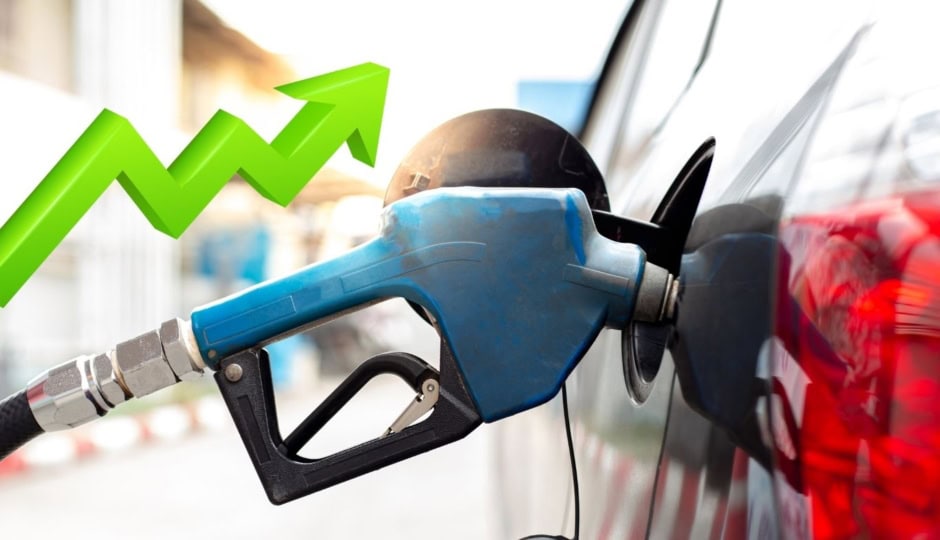
Fuel prices in Pakistan are expected to see mixed changes from February 1, 2026, as petrol may become marginally cheaper while high-speed diesel is likely to surge sharply. According to OGRA’s latest working paper, the expected cut in petrol is minimal, whereas diesel and other petroleum products may witness notable price hikes, increasing pressure on transport and household budgets.
As per industry and government sources, petrol prices are expected to decline by around Rs 0.36 per litre, offering only symbolic relief to private motorists. In contrast, high-speed diesel may rise by nearly Rs 9.47 per litre, one of the steepest increases in recent months. Kerosene oil and light diesel oil are also expected to become more expensive, impacting low-income households and small businesses.
An official familiar with the process said, “The final prices are calculated after reviewing global oil trends, exchange rate movements, and fiscal adjustments before approval by the Prime Minister’s Office.”
Diesel is widely used in transport, agriculture, and goods movement. A sharp increase is expected to raise freight and logistics costs, which could eventually push up prices of essential commodities across the country. Public transport fares may also come under pressure if the hike is approved.
During the last petroleum review on January 16, 2026, analysts had forecast a petrol price increase. However, the government kept fuel prices unchanged, citing stable exchange rates and a temporary decline in international oil prices. Against that backdrop, the expected petrol cut this time appears more like price adjustment management rather than real relief.
The Petroleum Division is expected to officially announce the revised prices later today after consultations with OGRA. Consumers, especially diesel users, are advised to prepare for higher fuel costs as inflationary pressures continue.