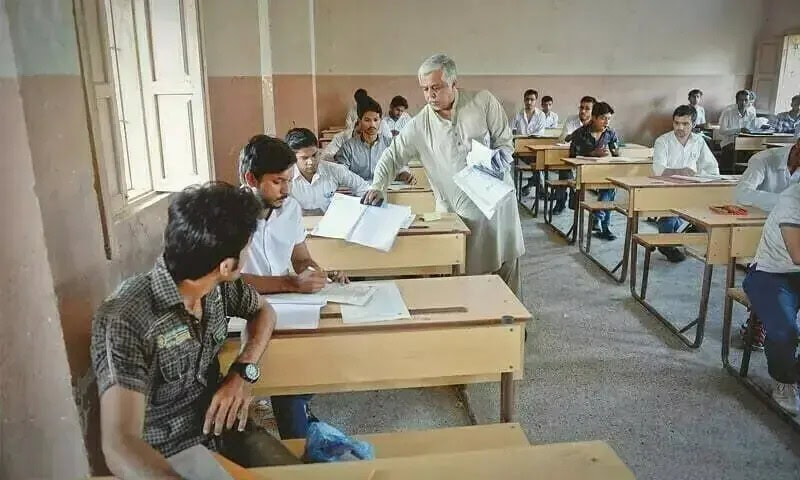
Punjab students appearing in the 2026 Matriculation and Intermediate exams will face a new layer of scrutiny as authorities introduce digital biometric verification. The move aims to ensure that only registered candidates are allowed into examination halls, addressing long-standing concerns over impersonation and unfair practices.
The decision came after a high-level meeting at the Board of Intermediate and Secondary Education (BISE) Lahore, where officials reviewed wide-ranging reforms to modernize the examination system. The session was led by Muzammil Mehmood, Chairman of the Task Force Committee on Boards, and attended by senior officials, including Additional Secretary Higher Education Boards Nauman Jameel, Lahore Board Secretary Rizwan Nazeer, Controller of Examinations Tauseef ur Rehman, and representatives from all nine Punjab boards.
Under the proposed system, students’ identities will be digitally verified before they enter exam centres. Officials said this measure will block fake candidates and enhance overall transparency in the examination process.
The meeting also addressed reforming practical exams, which have often been criticized for favoritism, weak oversight, and inconsistent marking. Authorities confirmed that practical assessments will now receive the same attention and rigor as theory papers. Standardized evaluation criteria are expected to ensure uniform marking across all boards, reducing subjectivity and complaints.
To strengthen monitoring, officials suggested installing CCTV cameras in laboratories during practical exams. Video surveillance is expected to prevent cheating, outside interference, and informal recommendations that have long undermined exam fairness.
A digital marking system is also under discussion. This would allow both theory and practical marks to be recorded electronically, minimizing human error and preventing tampering or manual mishandling.
The meeting also proposed higher compensation for exam supervisors and staff. Officials said better pay could reduce vulnerability to pressure and encourage honest performance of duties.
Task Force Committee Chairman Muzammil Mehmood emphasized a zero-tolerance policy. He warned that legal action would target anyone attempting to manipulate results through bribery, political influence, or personal connections.
Authorities believe these reforms will benefit hardworking students, who have often felt disadvantaged in previous exam cycles. With biometric verification, digital monitoring, and stricter evaluation, the 2026 examinations are expected to mark a more transparent and credible era for Punjab’s education boards.
Lahore BISE spokesperson Tahir Javed added that detailed technical guidelines and implementation plans will be shared with schools and examination centres well ahead of the 2026 exam season.