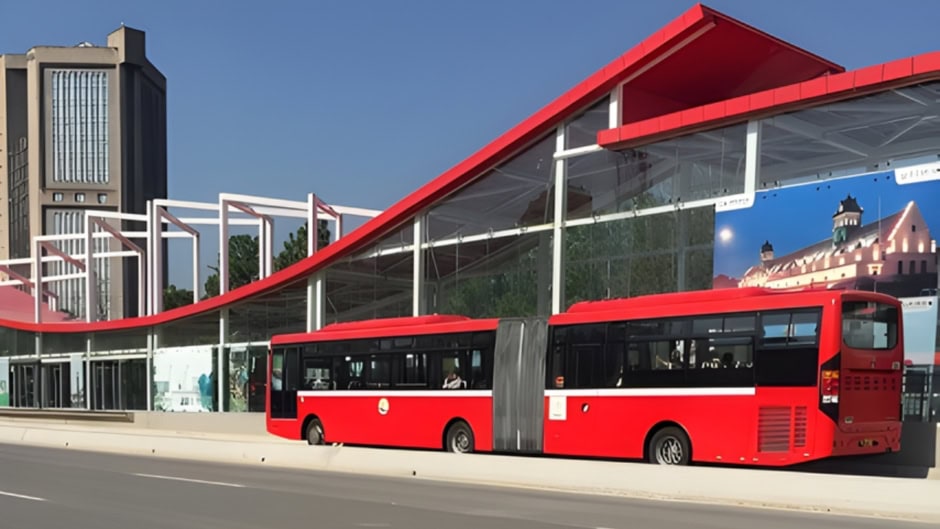
The Punjab government and the federal interior ministry announced free public transport within hours of each other on April 3, 2026, after the federal government raised petrol prices by Rs. 138 per liter.
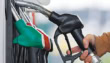
The federal government raised petrol prices by Rs. 138 per liter on April 1, 2026, bringing the new rate to Rs. 458.40 per liter. Diesel went up by Rs. 184 per liter, reaching Rs. 520.35 per liter. The increases are tied to rising global crude oil prices driven by the ongoing energy disruption from the US-Israel conflict with Iran. Pakistan imports a large share of its fuel, making it directly exposed to these global price shocks. Within two days, both Punjab and Islamabad responded with free public transport.
Punjab Chief Minister Maryam Nawaz Sharif announced free public transport for all passengers across every city in the province. The policy covers the Orange Line Metro in Lahore, Metro Bus services, Speedo buses, and Green Electric Buses. No end date was given. The Chief Minister urged citizens to switch to public transport given the circumstances, noting Pakistan’s heavy reliance on imported oil has made the country particularly vulnerable to the global crisis.
The Punjab relief package extends beyond transport. Farmers will receive a Rs. 100 per litre subsidy on diesel. Registered motorcycle owners will get a Rs. 100 per litre subsidy on up to 20 litres of petrol. In a country where motorcycles are the primary mode of transport for millions, especially in smaller cities and rural Punjab, the petrol subsidy directly targets the demographic hit hardest by the price increase.
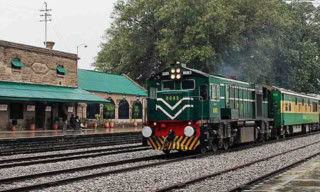
Separately, Federal Interior Minister Mohsin Naqvi announced on X the same day all public transport in Islamabad will be free for 30 days starting April 4. The Ministry of Interior will cover the Rs. 350 million cost. Naqvi said the decision came on the Prime Minister’s directions. He did not specify which services are included, but Islamabad’s public transport network includes the Orange, Blue, and Green Line Metro Bus services, electric bus routes, and CDA-operated feeder services. The electric bus fleet has grown significantly since its July 2024 launch. By February 2026, Naqvi said over 125,000 citizens were using the electric bus service daily, with a target of 250,000.
Islamabad’s Metro Bus and electric bus services currently charge a flat Rs. 50 fare per journey, a rate restored in June 2025 after the Prime Minister reversed a fare hike proposed by the CDA. The CDA disclosed at the time it spends Rs. 5.12 billion annually to run the mass transit system, with fare revenue covering only Rs. 1.46 billion, while the rest comes from subsidies.
Neither Punjab nor Islamabad clarified whether the free transport policies apply to privately operated buses and wagons, or only government-run services.