The Rawalpindi City Traffic Police issued more than 1.1 million traffic violation tickets in 2025, collecting around Rs1.1 billion in fines, roads that have never been under such scrutiny, as enforcement intensified across the city and authorities expanded the use of digital monitoring systems.
According to official data, enforcement activity rose by 44 percent compared to 2024, driven by an increase in personnel and technology. More than 1,300 traffic wardens were deployed across Rawalpindi during the year, while 3,257 cases were registered for serious violations.
Authorities also issued around 328,000 driving licenses in 2025, reflecting higher compliance with licensing requirements alongside stricter checks on the roads.
Driving without a valid license topped the list of offences, with 213,000 challans issued, but it was motorcyclists who bore the brunt of enforcement, receiving more than 653,000 tickets. Helmet violations alone accounted for 204,000 challans, though officials reported that 88 percent compliance was achieved following awareness campaigns and targeted policing.
Despite the high volume of violations, officials said the number of fatal road accidents declined over the year. Motorcyclists, however, continued to dominate crash statistics, highlighting the ongoing risks faced by two-wheeler riders.
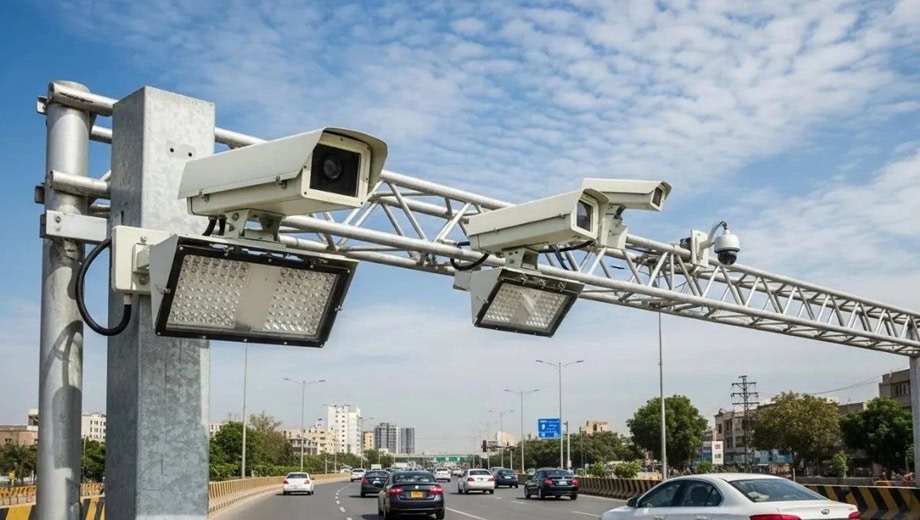
To strengthen enforcement and improve transparency, the traffic police introduced an e-challan system linked to the city’s Command and Control Centre. The system is supported by more than 2,100 smart cameras installed across Rawalpindi to monitor traffic flows and detect violations automatically.
Yet, while the numbers impress on paper, there is a human side to consider. For many residents, especially daily commuters on motorcycles, these fines are a heavy burden. The question arises: are these measures enforcing safety or simply generating revenue? Perhaps the answer lies somewhere in between- the roads are becoming safer, but the system must balance deterrence with awareness and education, not just punishment.
Officials said the technology-driven approach has helped reduce on-ground discretion, improve consistency in enforcement and strengthen compliance with traffic laws.
One thing is certain: 2025 has been a landmark year for traffic management in Rawalpindi. The combination of fines, licenses and technology-driven enforcement has sent a clear signal- the city is serious about road safety. Now, the challenge will be to maintain this momentum while keeping the public onside.