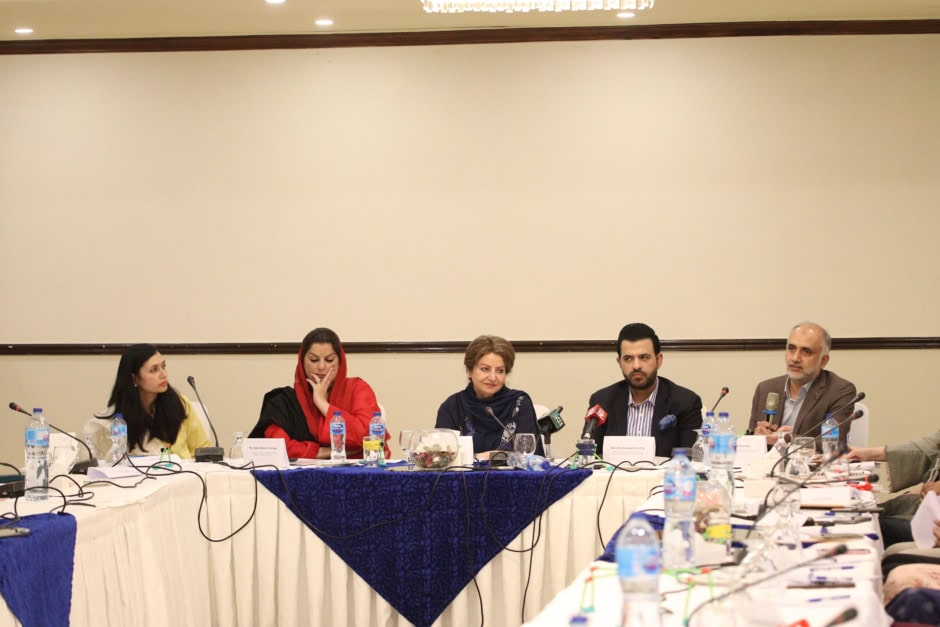
With millions of children in Pakistan still out of school, and many more at risk of dropping out, a roundtable in Islamabad brought together policymakers and practitioners to explore practical, child-centered solutions that help children not only access education but also stay and thrive within it.
Hosted by Cities for Children with support from the Malala Fund, the event titled “Inspired Education: Investing in Creative Strategies to Reduce Dropout” created space for meaningful dialogue on how to strengthen education systems in the face of ongoing economic constraints.
The roundtable was attended by MNA Ms. Shaista Pervez Malik, convenor of the SDGs Secretariat; Parliamentary Secretary for Education Ms. Rabia Naseem Farooqi; and Parliamentary Secretary Barrister Danyal Chaudhry, alongside representatives from the education ministry, the non-formal education sector, BISP, and development partners, including JICA.
According to Madeeha Ansari, Founder and CEO of Cities for Children,
“This event is an opportunity to move beyond focusing only on the challenges and instead highlight both pragmatic and creative solutions that are already supporting vulnerable children. These approaches deserve greater visibility and sustained investment.”
The discussion centered around four key questions: What are the most pragmatic ways to overcome access barriers? How can classroom environments inspire children to remain engaged and reduce dropout? When vulnerability is compounded by gender, what kinds of incentives can work for girls? And how can policymakers and practitioners better integrate creative, child-centered approaches into education systems?
Ms. Anam Akram from the Malala Fund highlighted the importance of recognizing how barriers to education are often layered, particularly for girls, and the need for targeted, thoughtful interventions.
Participants emphasized that improving access must go hand in hand with improving the quality of children’s experiences in school. Conversations explored practical approaches such as targeted incentives, community-based models, and strengthening classroom environments through playful learning, socio-emotional development, and positive discipline practices that replace violence with care.
The roundtable also highlighted promising initiatives already underway. Mr. Zaigham from the Pakistan Institute of Education shared insights on an Early Warning System (EWS) designed to identify children at risk of dropping out, allowing for timely support. Representatives from Allah Walay Trust spoke about the impact of school meal programs in improving attendance and retention, particularly for children facing economic hardship.
In addition, participants were invited to share innovative initiatives from their own work, including approaches centered on storytelling, play-based learning, and community engagement. These exchanges underscored the importance of learning from one another and adapting solutions to local contexts.
Ms. Shaista Pervez Malik reiterated a commitment to continued engagement with practitioners and to working towards integrating creative, child-centered approaches into education policy and systems.
The roundtable concluded with a shared call to action: sustained investment in creative, inclusive, and child-centered strategies is essential to ensure that every child can remain in school, feel safe, and reach their full potential.