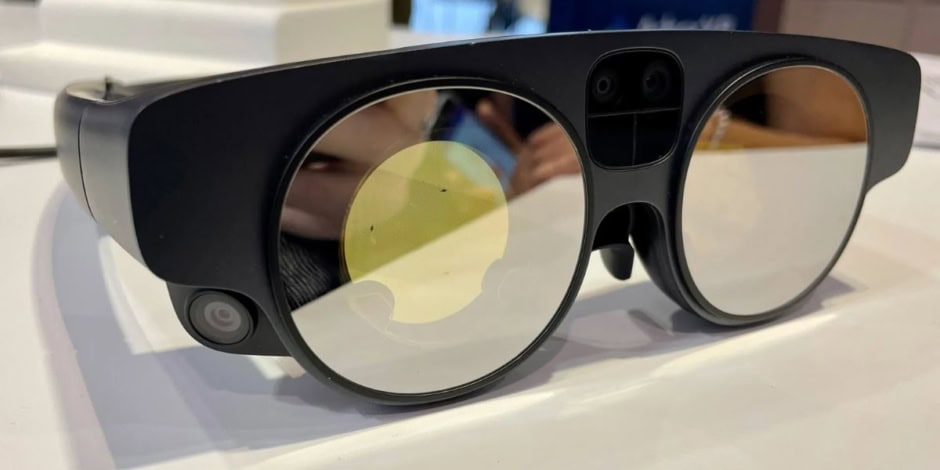
Saudi Arabia has injected more than $1 billion into virtual-reality hardware firm Magic Leap, a startup that until now has never turned a profit and has undergone significant restructuring.
A Renewed Lifeline for a Struggling Startup
Magic Leap, once valued at over $6 billion and backed by extensive venture-capital funding, has faced repeated setbacks, including delayed product launches, a pivot from consumer VR to enterprise applications, and staffing reductions. The Saudi investment, driven by the Public Investment Fund (PIF), signals a strategic bet on VR and mixed-reality technology as part of the kingdom’s drive to diversify its economy away from oil.
The new funding arrives after Magic Leap raised approximately $205 million in recent rounds while carrying significant debt. The PIF’s investment is believed to underpin a fresh phase of development both in hardware and enterprise software platforms for immersive computing.
Strategic Rationale Behind the Move
The Saudi investment aligns with Vision 2030 and its push into the Fourth Industrial Revolution by the end of this decade. By backing Magic Leap, the kingdom gains potential footholds in AR and VR ecosystems, immersive content, and next-generation digital experiences: sectors seen as critical for future growth. Previous reports noted that PIF had committed hundreds of millions to Magic Leap during its earlier funding rounds.
For Magic Leap, the deal offers breathing room to accelerate its enterprise roadmap, focusing on spatial computing for sectors such as defense, manufacturing, healthcare, and remote collaboration. The Saudi capital infusion provides a chance to reset, attend to product gaps, and scale globally.
Risks and Market Implications
Despite the ambitious investment, Magic Leap’s past performance underlines the risks involved. Industry analysts caution that VR hardware remains a challenging business where technology must meet enterprise requirements of reliability, scalability, and content ecosystem support.
Analysts have also noted that hardware-first VR companies often carry elevated product, market, and adoption risks.
Moreover, the large sovereign investment raises questions about governance, exit strategy, and commercial discipline. Some observers view it as part of a growing trend of sovereign tech investments, where state-backed funds chase innovation but face high execution uncertainty.