Saudi money is flowing into Pakistan’s startup scene, and this time it comes from an energy company. Wafi Energy said on Friday it had partnered with NED University of Engineering and Technology to sponsor the regional round of the World Startup Championship. The move deepens Gulf investors’ growing engagement with Pakistan’s youth entrepreneurship ecosystem.
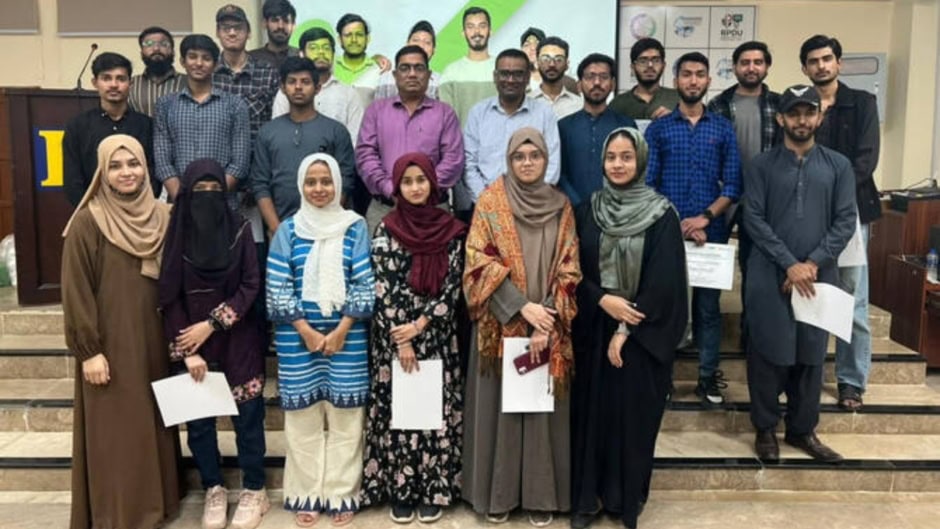
The scale of the event is real, not symbolic. The regional competition brought together more than 300 student-led startups from universities across Sindh. Participants pitched business ideas, received feedback from industry leaders, and competed for a place in the national finals. It formed the Pakistan leg of SEE Pakistan’s World Startup Championship, an annual international entrepreneurship contest.
The backer’s identity is where the story gets interesting. Wafi Energy Pakistan is majority-owned by Wafi Energy Holding, an affiliate of Saudi Arabia’s Asyad Group. That group acquired an 87.78% stake in the former Shell Pakistan in 2024, so a Saudi energy giant is now funding Pakistani student founders. This initiative runs through the company’s social investment program, called Tameer.
“Pakistan’s young entrepreneurs have the ideas, ambition and resilience to solve some of our country’s most pressing challenges,” Imran Qureshi, director of corporate and government affairs at Wafi Energy Pakistan, said. “We are committed to giving them access to the platforms and opportunities they need to transform those ideas into sustainable businesses. Our collaboration with NED University and SEE Pakistan reflects our belief that investing in young innovators today is an investment in Pakistan’s future economic growth.”
The sponsorship sits within a wider expansion push. Wafi Energy reported a 148% jump in quarterly profit in April, with profit after tax reaching Rs2.16 billion. The company has been adding retail sites, growing its convenience store operations, and launching a lubricants partnership with Indus Motor Company. Chief executive Zubair Shaikh described the investments as a long-term commitment to sectors that support Pakistan’s development.
The broader signal matters most for readers, though. Gulf capital is steadily deepening its footprint in Pakistan, moving beyond energy and infrastructure into youth entrepreneurship. It joins a run of recent international interest in local founders, from the Plug and Play tie-up to the SBP finally defining startups. Whether these platforms translate into funded, scalable companies is the real test, yet the attention itself is a meaningful shift.