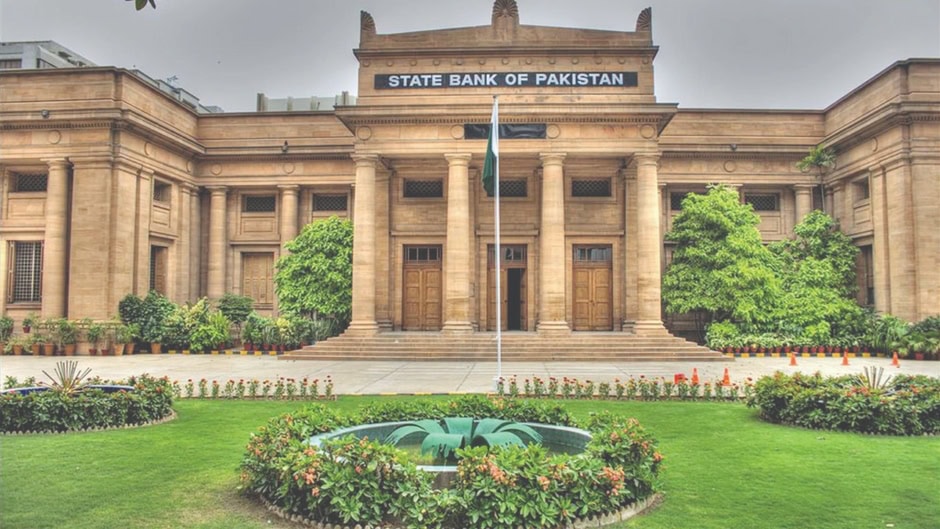
The State Bank of Pakistan (SBP) has introduced a new regulatory framework enabling teenagers to independently open and operate bank accounts and digital wallets across the country.
The initiative targets individuals aged 13 to 18 years—an estimated population of around 26 million—aiming to bring them into the formal financial system at an early stage. The move allows young users to manage savings, conduct transactions, and build financial habits under a regulated and secure environment.
Expanding Financial Inclusion
Previously, teenagers relied on parent-controlled or joint accounts. With this policy shift, SBP aims to promote financial literacy, encourage a savings culture, and prepare youth for participation in Pakistan’s growing digital economy.
The initiative is part of SBP’s broader Strategic Plan 2023–28 and the National Financial Inclusion Strategy 2024–28, both of which emphasize youth onboarding into formal banking channels.
Key Features of Teen Accounts
- Teenagers can independently own and manage bank accounts and digital wallets
- Access to digital payments, online transactions, and savings tools
- Banking services offered within a supervised regulatory framework
- Financial institutions to introduce youth-focused banking products
Backed by Prudential Regulations
The framework operates under SBP’s Prudential Regulations, ensuring strict safeguards for transparency and consumer protection. Banks are required to implement robust Know Your Customer (KYC) procedures, continuous account monitoring, and compliance systems to prevent misuse.
These regulations also mandate identity verification, transaction oversight, and strong governance practices to maintain financial stability and public trust.
SBP believes that early financial empowerment will enhance financial awareness, boost digital payment adoption, and encourage responsible economic participation among Pakistan’s youth.