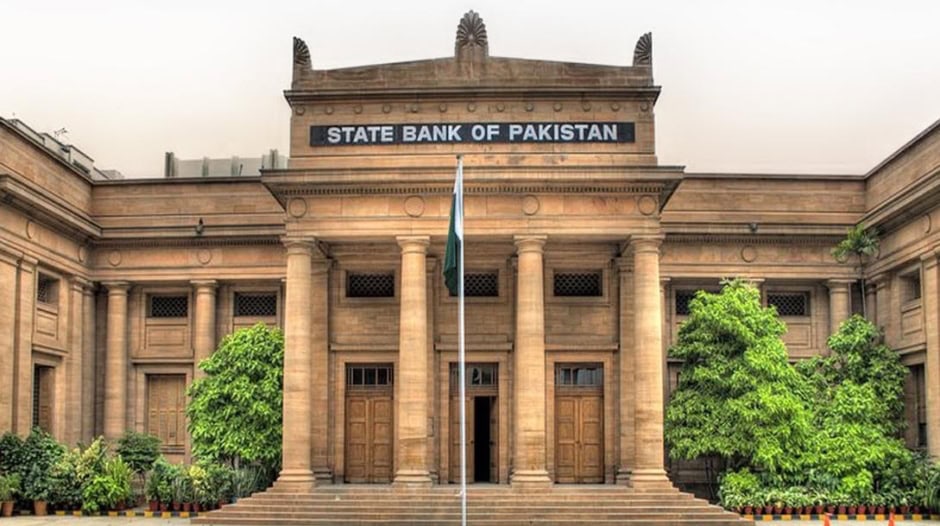
The State Bank of Pakistan (SBP) has accelerated its efforts to reduce Pakistan’s dependency on expensive international card networks like Visa and MasterCard, which settle transactions in USD and add pressure to the country’s foreign reserves. In a recent briefing to the Senate Standing Committee on Finance and Revenue, SBP outlined strategic steps taken to promote cost-efficient local payment alternatives, most notably through Raast, Pakistan’s instant payment system, and PayPak, the national debit card scheme.
Raast has already facilitated 1.9 billion transactions worth PKR 44 trillion, offering instant and low-cost domestic payments. Meanwhile, PayPak now accounts for over 25% of all debit cards in circulation. SBP has also introduced QR code-based payments to empower small merchants and launched partnerships with fintechs like NayaPay, enabling seamless QR transactions in China through Alipay.
These measures aim to promote financial inclusion, reduce foreign currency outflows, and establish a robust domestic payment ecosystem.
Exclusive to Techjuice, this report highlights Pakistan’s transition toward a self-reliant, locally powered digital financial framework—blending homegrown innovation with global collaboration.
SBP’s Local Payment Strategy Gains Momentum
In a detailed update to the Senate Standing Committee on Finance and Revenue on July 9, 2025, the State Bank of Pakistan (SBP) reaffirmed its commitment to promoting local, low-cost digital payment systems as an alternative to foreign card networks that burden the economy with USD-based settlement fees.
Key Reforms and Progress
-
Raast—Instant, Low-Cost Digital Transfers
Launched in 2021, Raast enables instant, secure, and real-time money transfers for peer-to-peer (P2P), bulk payments, and merchant transactions. Since its inception, it has processed over 1.9 billion transactions valued at PKR 44 trillion, positioning itself as the backbone of Pakistan’s domestic digital payments infrastructure. -
PayPak—The National Debit Card Scheme
Introduced in 2016 through 1LINK, PayPak was developed to offer a local, cost-effective debit card option. With over 13.5 million cards issued, it now covers more than 25% of Pakistan’s debit card market. Ongoing co-branding arrangements will further expand its usability for international and e-commerce transactions. -
QR Code Payments for Micro Merchants
To drive financial inclusion, SBP launched a national QR code standard in 2022. This framework enables small and micro-merchants to accept digital payments through mobile apps, eliminating the need for expensive POS hardware and opening access to underserved markets. -
Fintech Support and Global Partnerships
SBP continues to support local fintechs like NayaPay, an SBP-licensed EMI. In early 2024, NayaPay integrated with Alipay, allowing Pakistani wallet users to make QR-based payments across China—a significant leap in cross-border financial interoperability.
Regulatory Oversight and Future Outlook
While the pricing of global card schemes remains governed by bank-level agreements, SBP is actively encouraging competition to lower the cost of digital services. The central bank’s strategic focus is to minimize USD-denominated transaction reliance, especially for domestic payments, and ensure digital payment systems are inclusive, scalable, and efficient.
By expanding services like Raast and PayPak and supporting innovation in the fintech space, Pakistan is building a sovereign, self-sustaining digital payment landscape, reducing vulnerabilities associated with foreign systems and strengthening economic autonomy.