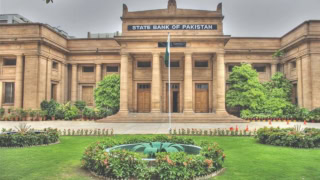
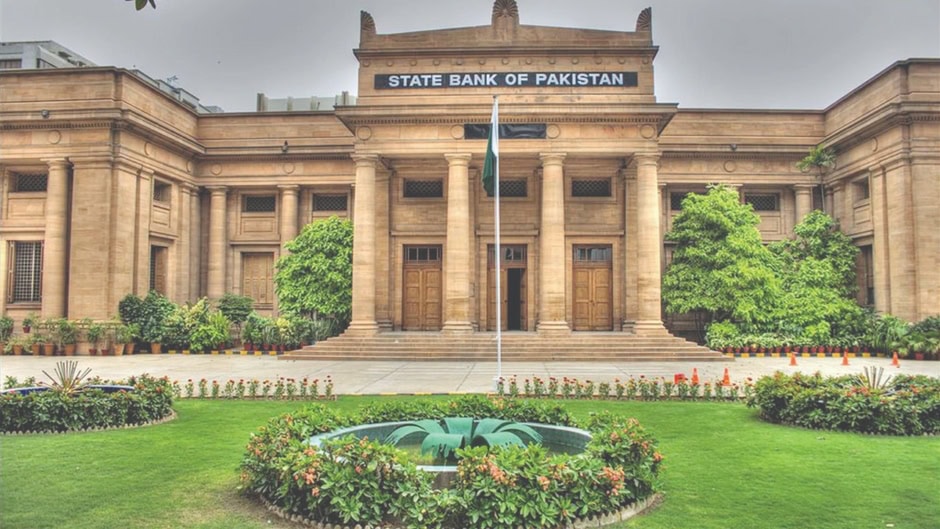
The State Bank of Pakistan is reportedly preparing for a significant increase in its benchmark interest rate at the upcoming Monetary Policy Committee (MPC) meeting scheduled for April 27, as inflationary pressures continue to build.

Multiple sources indicate that the central bank may raise the policy rate by 150 to 300 basis points, potentially pushing it to the 12–14 percent range, compared to the current 10.50 percent. The move is being considered in response to rising inflation driven by global geopolitical tensions, particularly the ongoing Iran–Israel conflict and its spillover effects on Pakistan’s economy.
Officials familiar with the matter said the upcoming MPC meeting will be critical, with policymakers weighing the impact of higher borrowing costs on economic activity and household purchasing power.
An economic expert noted that fuel and inflation rates have already begun reflecting the regional situation, putting additional pressure on consumers and businesses alike.
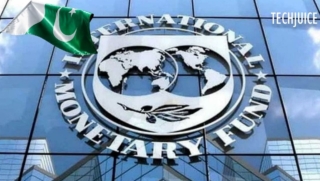
The potential arrival of a $1.2 billion tranche from the International Monetary Fund before April 20 could play a decisive role. If received in time, the funds would strengthen Pakistan’s foreign exchange reserves and may ease pressure on the central bank’s policy decision.
Government officials have already communicated to the IMF their readiness to tighten monetary policy further if inflation continues to rise. Analysts say global central banks are currently adopting a cautious stance, as geopolitical uncertainty complicates economic outlooks worldwide.
Why It Matters
- Global oil and food prices have surged amid disruptions in supply chains and energy markets
- Inflationary pressures are affecting households and businesses across Pakistan
- Authorities are leaning toward preemptive policy tightening to stabilize the economy
Market Impact
Experts warn that a rate hike could lead to higher lending costs, making borrowing more expensive for businesses and consumers. However, it may also result in better returns on savings instruments, benefiting deposit holders.
With inflation risks mounting and external financing uncertain, the upcoming MPC decision is expected to be one of the most consequential monetary policy announcements in recent years.