A Senate sub-committee has called for a comprehensive review of the Medical and Dental College Admission Test (MDCAT) policy framework, raising concerns over transparency, admission criteria, and the lack of stakeholder consultation in key decisions affecting medical students.
The meeting of the Sub-Committee of the Senate Standing Committee on National Health Services, Regulations and Coordination was held at Parliament House under the convenorship of Anusha Rehman to assess preparations for MDCAT 2026 and examine reforms aimed at improving fairness and uniformity in medical admissions across Pakistan.
The committee reviewed the current admission framework, particularly the allocation of 50 percent weightage to MDCAT scores, and discussed concerns regarding students from different educational backgrounds, including A-Level candidates.
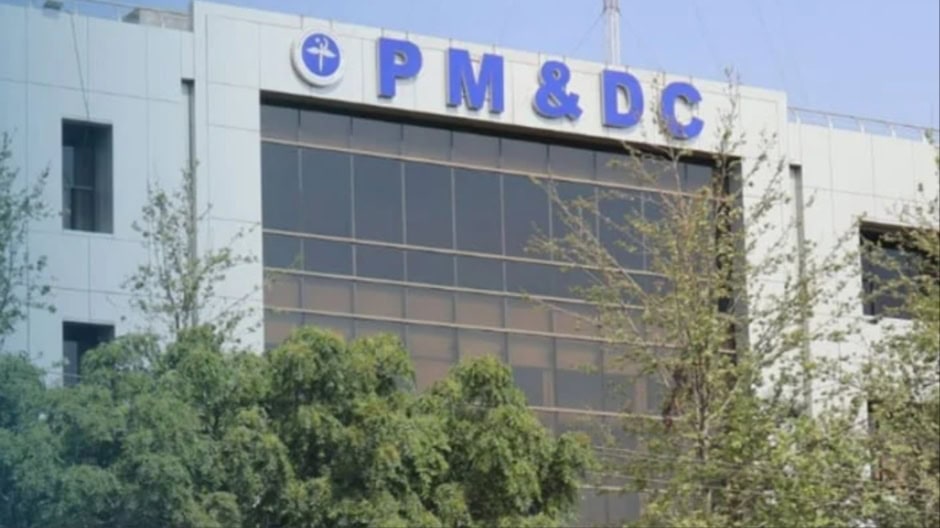
Members also questioned a recent directive issued by the Pakistan Medical and Dental Council (PM&DC), which made MDCAT mandatory for students seeking admission to MBBS programs abroad. Senators sought clarification on the legal basis of the decision and expressed reservations about what they described as a policy lacking explicit statutory support.
The committee noted that the requirement was particularly concerning given the existence of 743 vacant seats in medical and dental colleges across the country. Members argued that instead of imposing blanket restrictions, PM&DC should publish a list of foreign medical institutions that fail to meet recognized standards, enabling students and parents to make informed decisions.
During the meeting, PM&DC officials stated that the measure was intended to discourage admissions to substandard foreign medical colleges. However, committee members maintained that the effectiveness and legal standing of the policy required further examination.
The sub-committee directed PM&DC and the Ministry of National Health Services to provide all relevant legal documents and regulatory provisions supporting the decision to make MDCAT compulsory for students pursuing medical education abroad.
The committee also discussed concerns regarding the MDCAT syllabus, which members said is more closely aligned with the Intermediate curriculum, potentially creating challenges for A-Level students. Participants linked the presence of vacant seats in medical and dental institutions to shortcomings in the current admissions framework and called for broader reforms.
In addition, members highlighted the significant difference in medical education costs between Pakistan and countries such as China, where tuition expenses are considerably lower. Concerns were also raised regarding the international recognition of Pakistani dental qualifications in some countries.
The committee received a briefing on MDCAT examination fee collection, utilization, and auditing mechanisms and emphasized the importance of transparency in the management of examination-related funds.
Concluding the session, the Senate sub-committee expressed disagreement with several aspects of the existing PM&DC policy framework and recommended a comprehensive review involving students, medical practitioners, universities, and other stakeholders.
Senator Anusha Rehman directed that a public hearing be organized, inviting affected students, medical professionals, and vice chancellors of medical universities to contribute to future policy reforms and legislative recommendations for the medical admissions system.